Bad-quality pavement can have a significant impact on the value of your home. If your driveway is in poor condition, it can make your home look unkempt and decrease its curb appeal. In addition, a damaged or gravel driveway can be difficult to maintain, especially in the winter. As a result, prospective buyers may be deterred from considering your home. Paving your driveway is a significant investment, but it may be worth it to boost the value of your home.
How Much Can a Low-Quality Pavement Impact the Appraisal?
Bad pavement can drag down what buyers are willing to pay. Suppose you are planning on selling your home. In that case, investing in repairing or replacing your driveway is important before putting your house on the market.
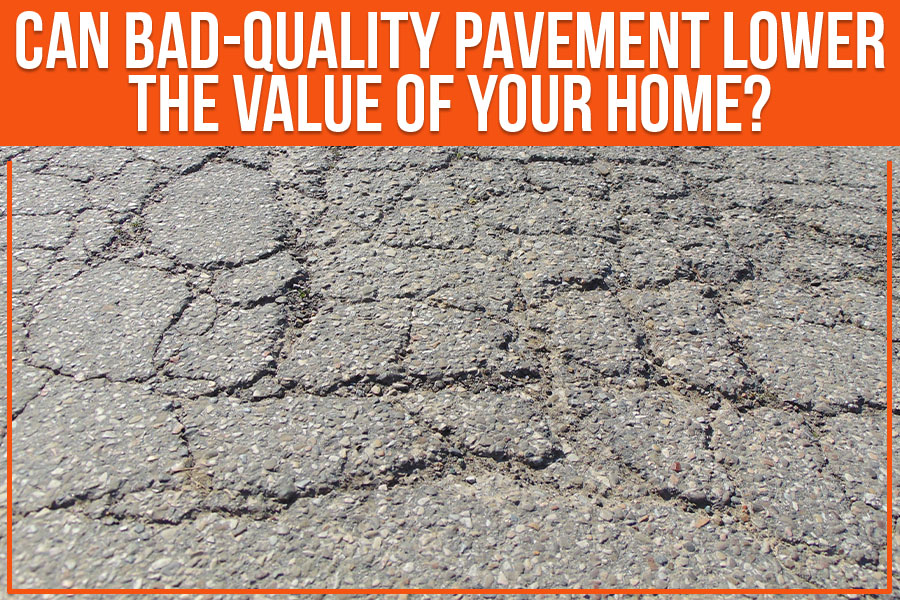
Your home’s appraisal is based on several factors, including location, size, age, and condition. The appraiser considers the condition of your home’s driveway when determining the value of your property. A cracked, uneven, or otherwise damaged driveway can make your home appear less well-maintained and decrease curb appeal. This can lead to a lower appraisal value for your home.
Bad pavement can also be a safety hazard. Cracks and potholes can damage tires and cause trips and falls. You could be held liable if someone is injured on your property due to low-quality pavement. This could result in a lawsuit and potentially large financial damages.
Appraisers or potential buyers may perceive the damage as a sign that the home is not well-maintained and could require expensive repairs.
Best Materials for Driveways that Increase Your Home’s Value
When it comes to paving materials, there are many options. As a homeowner, you’ll need to consider your climate, budget, and personal design preferences when choosing one.
Asphalt
Asphalt is a popular choice for driveway paving because it’s very durable and low maintenance. It’s made by mixing gravel, sand, and stone with bitumen, which is then laid down in layers. A well-designed and installed asphalt driveway may last for 20 years or more.
Pros
- Asphalt driveways are durable and can withstand a lot of wear and tear.
- They’re low maintenance: crack sealing and a sealcoat every 2 to 3 years keep them in good shape.
Cons
- Asphalt driveways can develop cracks over time, especially if not properly maintained.
- They can also be subject to staining from oil leaks or other substances.
Concrete
Concrete is a popular driveway paving material. To prevent the surface from cracking with temperature swings, start with a solid gravel base and finish by pouring concrete slabs on top. A properly designed and maintained concrete driveway often lasts 25 years or more.
Pros
- Concrete is extremely durable.
- You can customize the look of your concrete driveway with different colors and finishes.
- Concrete doesn’t require much maintenance. Regular sweeping and cleaning are usually all needed to keep it looking its best.
Cons
- Concrete driveways can crack over time if they’re not properly maintained.
- They can also be subject to staining from oil leaks or other substances.
Paver Stone
Paver stone is another popular choice for driveway paving. It’s made from interlocking concrete pavers that are available in a variety of colors and styles.
Pros
- Paver stone driveways are very durable and low maintenance.
- They can last for 20 years or more with proper care.
Cons
- Paver stone driveways can be more expensive to install than asphalt or concrete.
- They also require more regular cleaning and maintenance than some other driveway materials.
If you’re looking for the best paving contractor in Texas, Prime Asphalt is at your service! We provide high-quality paving services in Waco, TX. We believe that asphalt pavement will enhance the beauty and value of your home. That’s why we provide reasonable pricing for residential, commercial, and industrial asphalt paving services.
A quick driveway checkup before you sell
Walk your driveway the way a buyer would, from the street to the garage:
- Are there potholes, crumbling edges or raised spots someone could trip on?
- Do cracks connect into a web pattern, or are they just a few single lines?
- Is the surface gray and faded or still dark?
- Does water drain away from the house, or does it pool near the garage and foundation?
- Are weeds growing through cracks or along the edges?
- Is the approach at the street broken or sunk below the road?
A few single cracks and a faded surface are cosmetic and cheap to fix. Potholes, web-pattern cracking and standing water are the things buyers and inspectors notice.
Repair, resurface or replace?
- Repair when the damage is limited to a few spots. Patching, asphalt repairs and crack filling followed by sealcoating can make a sound driveway look cared for at a modest cost.
- Resurface when the surface is worn but the base is still firm. An overlay gives you a new top without full tear-out.
- Replace when the base has failed: widespread soft spots, sinking areas or cracking everywhere. On Blackland clay, a new asphalt driveway should include proper base and drainage, or the same problems return.
Don’t forget drainage and the approach
Water is the main reason driveways fail early in Central Texas. Clay soil swells when wet and shrinks in drought, and pavement that sheds water toward the house can also cause trouble at the foundation. If you have a ditch and culvert at the street, make sure it isn’t clogged or crushed. If the approach or culvert needs replacing, check with your city or county; many require a permit for driveway approaches and culverts.
Related: Asphalt Driveway Care: Sealcoating, Cracks, Sun and Winter
Frequently asked questions
Is it worth repaving before I sell?
It depends on the condition. If the driveway is badly broken up, a new surface can help. If it just looks tired, repairs and a fresh sealcoat are often enough. Your real estate agent can tell you what buyers in your area expect.
Will a home inspector comment on the driveway?
Many will note trip hazards, large cracks and drainage that runs toward the house. Fixing those ahead of time removes easy negotiating points.
How soon before listing should the work be done?
New asphalt is drivable in 24 to 72 hours, and a sealcoat usually needs a day or two before cars go on it. Leave a little buffer before listing photos.
Does tar and chip hurt resale value?
Not on rural or acreage properties, where it is common. A well-kept tar and chip drive looks much better than rutted gravel.
Is concrete or asphalt better for resale?
Buyers mostly care about condition. Either material looks good when it is well built and maintained, and neither does when it is cracked and stained.
Get a free estimate. Getting ready to sell, or just want your driveway to look its best? Contact us for a free estimate.