Concrete and asphalt are the two most common choices for paving a driveway or parking area, and both can be the right answer. Asphalt usually costs less up front, goes in faster and is easy to repair. Concrete costs more at the start but lasts a long time, needs less routine upkeep and offers far more decorative options. This guide lays out the real differences so you can pick the one that fits your property, budget and plans.
The quick answer
- Choose asphalt if you want lower upfront cost, a quick turnaround, easy repairs, or you are paving a long drive or a large lot.
- Choose concrete if you want the longest life with the least routine maintenance, a lighter and cooler surface, or a decorative finish that matches your home.
- Consider both for some projects, such as a concrete apron or approach at the street with an asphalt drive, or concrete in high-stress areas of a commercial lot.
How the two materials differ
Asphalt is a mix of stone aggregate and sand bound together with liquid asphalt. It is laid hot, compacted with rollers and is flexible once it cools. It moves slightly with the ground and is easy to patch, overlay and resurface.
Concrete is a mix of cement, water, sand and stone that hardens into a rigid slab. It is poured into forms, finished by hand or machine, and usually reinforced with rebar or wire mesh. Control joints are cut so that the cracks concrete naturally develops happen in straight, planned lines.
That difference between flexible and rigid explains most of what follows.
Cost: upfront and over time
Every site is different, so we do not quote prices without seeing it. In general, concrete costs noticeably more per square foot to install than asphalt. Decorative concrete costs more still.
Over the life of the pavement the gap narrows. Asphalt needs regular sealcoating and crack sealing, and eventually an overlay. Concrete needs less routine work but costs more to repair when a slab cracks or heaves. Things that affect cost for either material:
- Size and shape of the area
- Removal of old pavement and how much base work is needed
- Thickness and reinforcement for the loads it will carry
- Drainage work, grading and any curbs or approaches
- Finish (plain, broom, stamped, colored, exposed aggregate)
- Access to the site
Lifespan and durability
- Asphalt commonly lasts 15 to 20 years or more when it is built on a good base and sealcoated and crack sealed on schedule. Overlays can extend that.
- Concrete can last 25 years or more with proper base, reinforcement and joints. It handles heavy, standing loads well and resists rutting.
Both depend far more on the base and drainage under them than most people realize. A thin slab or a rushed asphalt job on soft, wet ground will fail early no matter which material is used.
Maintenance
Asphalt needs routine but simple care: sealcoating every 2 to 3 years (starting about 6 months after paving), crack sealing as needed, and prompt patching. Each job is relatively inexpensive and fast.
Concrete needs less regular attention. Clean it, reseal joints when needed, and consider a sealer, especially on decorative or stamped concrete, which typically needs resealing every few years to protect the color and finish. Repairs are harder: cracks can be filled, but a broken or sunken slab often has to be lifted or cut out and replaced, and repairs are hard to color match.
How Texas conditions affect each
- Heat and sun. Asphalt absorbs heat and can soften slightly on the hottest days, so heavy loads parked in one spot can leave marks. Sun also oxidizes it over time, which sealcoating slows down. Concrete stays cooler underfoot and reflects more light, but very hot weather makes pouring and curing trickier.
- Expansive clay. The Blackland Prairie clay around Waco, Temple and the DFW area swells when wet and shrinks when dry. That movement is hard on rigid concrete, which can crack or heave without a well-prepared base, proper reinforcement and good joints. Flexible asphalt tolerates some movement, though it can still crack.
- Limestone and caliche. West of the Balcones Escarpment and in the Permian Basin, rocky limestone and caliche ground can make a firm base for either material when it is prepared correctly.
- Storms and flooding. Water is the biggest threat to both. Proper slope, drainage and edge support matter as much as the material.
- Freezes. Hard freezes are occasional here. Concrete can be affected by freeze-thaw and de-icing salt, and asphalt cracks can widen in a freeze. Neither is a major deciding factor for most Texas properties.
Installation and downtime
- Asphalt goes in fast. Most driveways and lots can take traffic within about 24 to 72 hours, though it stays soft for a while in summer, so avoid sharp turns and parking heavy loads in one spot for the first weeks.
- Concrete takes longer. Forms, reinforcement and finishing add time, and the slab needs to cure. Plan on keeping cars off for about 7 days and heavier vehicles off longer. Concrete keeps gaining strength for weeks after the pour.
For businesses, that difference in downtime can be the deciding factor.
Appearance and design options
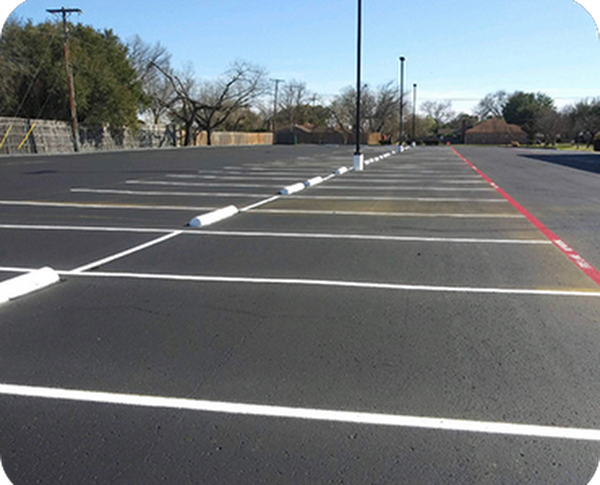
Asphalt gives you a clean, smooth, uniform black surface that looks sharp when fresh and after each sealcoat. Its look is simple and consistent.
Concrete offers many more ways to make an impression:
- Broom finish: the standard, slip-resistant texture
- Stamped concrete: patterns that look like stone, brick, slate or tile
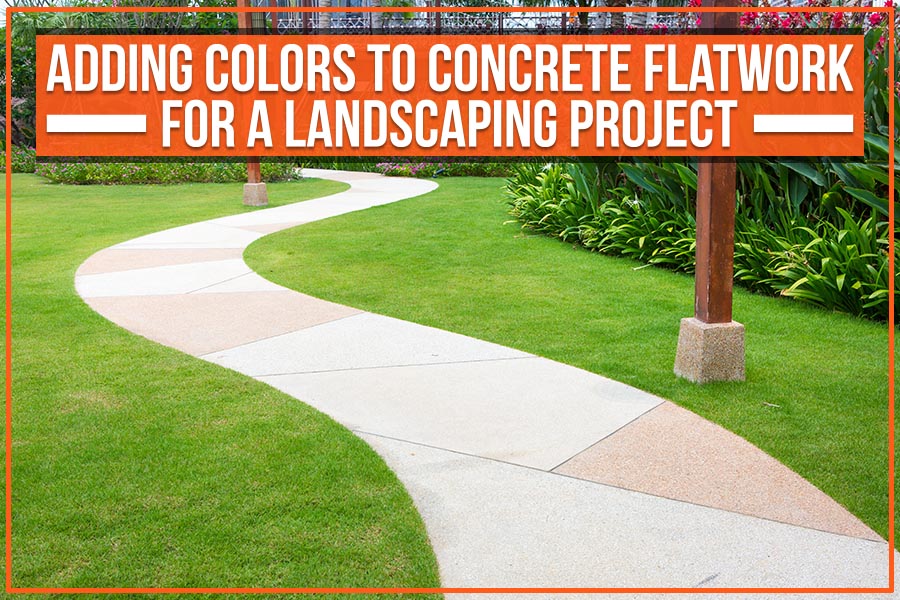
- Colored concrete: integral color or stains to match your home or brand
- Exposed aggregate: the top layer is washed away to show the stone, for texture and grip
- Borders and bands: contrasting edges or sections that frame a drive, entrance or walkway
Keep in mind that concrete shows oil stains and tire marks more than asphalt does, while asphalt hides them well.
Concrete vs. asphalt at a glance
| Factor | Asphalt | Concrete |
|---|---|---|
| Upfront cost | Lower | Higher; decorative costs more |
| Typical lifespan | About 15 to 20+ years with upkeep | About 25+ years with good base and joints |
| Routine maintenance | Sealcoat every 2 to 3 years, crack seal as needed | Clean, reseal joints, optional sealer |
| Repairs | Easy and affordable to patch or overlay | Harder; slabs may need replacing, patches show |
| Ready for cars | About 24 to 72 hours | About 7 days |
| Heat | Gets hot, can soften slightly | Stays cooler, reflects more light |
| Clay soil movement | Flexes, more forgiving | Can crack or heave without proper base and reinforcement |
| Look | Smooth, black, uniform | Light gray or decorative: stamped, colored, exposed aggregate |
| Stains | Hides oil and tire marks | Shows stains more |
| Best fit | Long drives, large lots, tight budgets, fast turnaround | Long-term homes, decorative entries, heavy standing loads |
Questions to ask before you choose
- What is your budget today, and over the next 15 to 20 years? Compare upfront and lifetime costs, not just one.
- How long will you own the property? If you plan to stay a long time, concrete’s longer life counts for more.
- How big is the area? On a long drive or large lot, asphalt’s lower cost per square foot adds up.
- What will drive and park on it? Heavy trucks, RVs, trailers and dumpsters affect thickness and material choice.
- How much downtime can you handle? Asphalt reopens much sooner.
- What look do you want? If you want a decorative finish, concrete is the way to get it.
- What does the soil and drainage look like? Clay soil and drainage problems need to be addressed either way.
- Are there HOA or city rules? Some neighborhoods specify materials. Check with your city or county; many require a permit for driveway approaches and culverts.
- How do you feel about maintenance? Asphalt needs regular, simple care. Concrete needs less, but repairs cost more.
Our take
There is no one right material for every property. For most everyday driveways and large parking areas, asphalt is the practical choice. For a home where you want a decorative entry and plan to stay a long time, concrete is often worth it. For long country drives and ranch roads, tar and chip is worth considering as a lower-cost third option. We install both asphalt paving and concrete paving, so we can recommend what actually fits your site rather than what we happen to sell. For businesses, see our commercial paving work.
Frequently asked questions
Is concrete or asphalt cheaper for a driveway?
Asphalt is almost always cheaper to install. Concrete costs more up front but needs less routine maintenance over its life.
Which lasts longer, concrete or asphalt?
Concrete generally lasts longer, often 25 years or more, compared with about 15 to 20 years or more for well-maintained asphalt. Base preparation and drainage affect both a great deal.
Does concrete crack in Texas clay soil?
It can. Expansive clay moves as it wets and dries. A well-prepared base, reinforcement, proper thickness and control joints reduce cracking and keep any cracks where they belong.
How long before I can drive on a new driveway?
Usually about 24 to 72 hours for asphalt and about 7 days for cars on concrete, with heavier vehicles waiting longer. We will give you specific timing for your project.
Can I put asphalt over an old concrete driveway?
Sometimes. If the concrete is stable, asphalt can be laid over it, but cracks and joints in the slab can show through over time. We will look at the slab and tell you whether an overlay or removal makes more sense.
Is stamped concrete slippery?
It can be when wet, especially with a glossy sealer. A slip-resistant additive in the sealer and the right texture help.
Get a free estimate. If you are weighing options for your property, contact us and we will come look at the site and give you a straight, written estimate.