Every asphalt surface wears out eventually. The question is whether yours needs a patch, a new top layer, or a complete rebuild, and picking the wrong one either wastes money or buys you a fix that fails in a year. This guide walks through how to read the damage, what each repair option actually does, when to schedule the work, and why Central Texas driveways seem to break down faster than they should.
The short answer: it depends on what’s happening underneath
Asphalt is a flexible pavement. It’s a layer of asphalt sitting on a compacted base of crushed stone, which sits on the native soil (the subgrade). The asphalt spreads the load, but the base underneath does most of the work of supporting it.
That gives you a simple rule for deciding:
- Repair when the damage is small, isolated and the base is still solid.
- Resurface when the top layer is worn or cracked across a wide area but the base is still sound.
- Replace when the base has failed, the damage is widespread and deep, or the pavement has simply reached the end of its life.
Most of the decision comes down to one question: is the problem in the surface, or in the foundation?
What the damage is telling you
Different kinds of distress point to different causes. Use this table as a starting point. An on-site look is the only way to confirm what’s going on, but it will help you understand what a contractor is recommending and why.
| What you see | What it usually means | Typical fix |
|---|---|---|
| Alligator cracking (interconnected cracks that look like reptile skin) | The base or subgrade is failing under load, often because water got underneath | Remove the damaged area and repair the base, then patch. Widespread alligator cracking usually means replacement. |
| Potholes | Water entered through cracks, weakened the base, and traffic broke the surface apart | Cut out and patch with new asphalt, fixing the base below. Many potholes across the surface point to replacement. |
| Edge cracking (cracks running along the outer edges) | Weak support at the edges, poor drainage along the shoulder, or vehicles driving off the edge | Crack seal or patch the edge, improve drainage, and add edge support if needed |
| Rutting (grooves or depressions in wheel paths) | The base or subgrade compressed under repeated loads, or the asphalt mix softened in heat | Mill and overlay for shallow ruts. Deep ruts need base repair or replacement. |
| Raveling (loose gravel, rough surface, aggregate coming loose) | The binder has aged, oxidized or dried out from sun and weather | Sealcoat early on. Advanced raveling needs resurfacing. |
| Block cracking (large rectangular cracks across the surface) | The asphalt has hardened with age and shrinks with temperature swings. Not usually a load problem. | Crack seal and sealcoat if the cracks are narrow. Resurface if they are wide and widespread. |
| Standing water (puddles that stay after rain) | Low spots, settling or poor slope. Water that sits will soak into the base. | Patch or level the low spot, correct the grade, or add drainage. Big drainage problems are often fixed during replacement. |
A useful pattern to remember: surface-level problems (raveling, fading, narrow block cracks) respond well to maintenance and resurfacing. Structural problems (alligator cracking, deep rutting, repeated potholes) mean the base needs attention, and a new top layer alone won’t hold.
Option 1: Targeted repairs
Asphalt repairs fix specific problem areas without touching the rest of the pavement. They’re the right call when most of the surface is in good shape.
Common repair methods include:
- Crack sealing. Hot rubberized sealant fills cracks so water can’t reach the base. This is one of the most cost-effective things you can do for asphalt. See our crack sealing service.
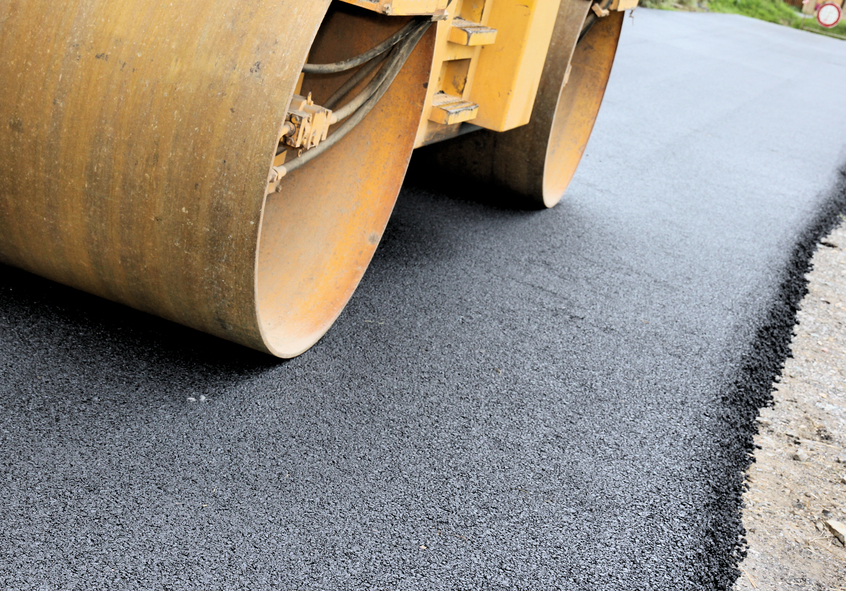
- Patching. The damaged section is cut out, the base is repaired if needed, and new asphalt is placed and compacted. A proper patch is a full-depth repair, not a shovel of cold mix tossed in a hole.
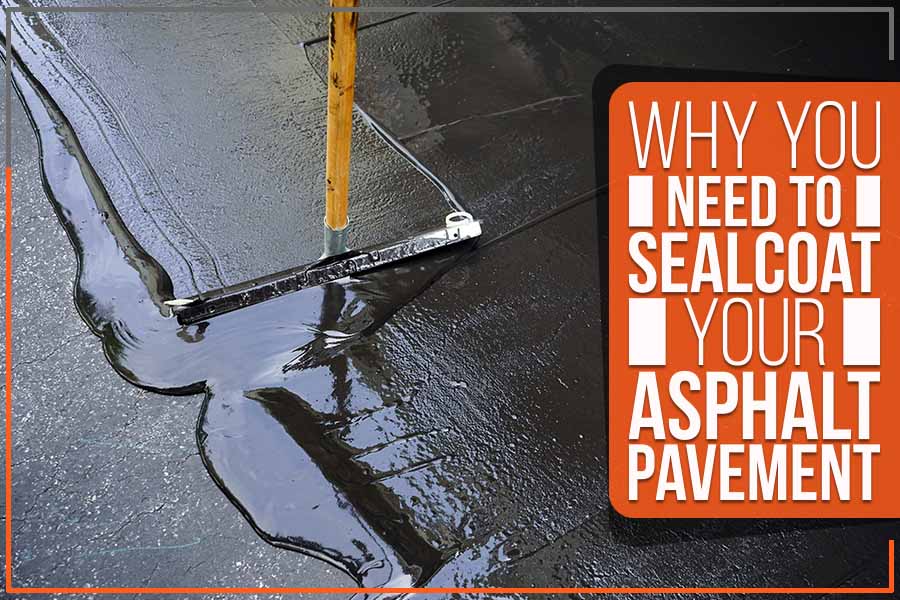
- Sealcoating. A protective coating over the surface that shields the binder from UV, water and fluids. It doesn’t fix structural damage, but it slows aging. Most surfaces benefit from sealcoating every two to three years.
Repairs make sense when damage covers a small share of the surface and the pavement is still relatively young. If you’re patching the same areas year after year, that’s a sign the base is the real problem.
Option 2: Resurfacing (overlay)
Resurfacing adds a new layer of asphalt, typically around 1.5 to 2 inches, over the existing pavement. Often the old surface is milled (ground down) first so the new layer bonds well and the finished height still matches garages, curbs and sidewalks.
Resurfacing is a good fit when:
- The surface is worn, faded, raveled or covered in shallow cracks
- The base is still stable, with little or no alligator cracking or deep rutting
- Drainage is basically working
- You want a new-looking surface for less than the cost of full replacement
The catch: an overlay copies whatever is underneath it. Cracks in a failing base will come back up through the new layer (this is called reflective cracking). Before resurfacing, failed spots should be cut out and repaired so the overlay starts on solid ground.
Option 3: Full replacement
Replacement means removing the old asphalt, repairing or rebuilding the base, correcting the grade and drainage, and paving new. It costs the most up front, but it’s the only option that fixes a failed foundation.
Replacement is usually the right call when:
- Alligator cracking, potholes or rutting cover a large part of the surface
- The pavement has already been resurfaced and is failing again
- Water drains toward structures or pools in many places
- The pavement is near or past the end of its expected life (a well-built, maintained asphalt driveway commonly lasts 15 to 20 years or more)
- You want to change the layout, widen the drive, or switch surfaces
Replacement is also your chance to reconsider the surface. For long rural drives and ranch roads, tar and chip often costs a fraction of asphalt per foot and handles heavy, occasional traffic well.
Repair vs. resurface vs. replace at a glance
| Repair | Resurface | Replace | |
|---|---|---|---|
| Best for | Isolated damage on a sound surface | Worn surface, solid base | Failed base or end of life |
| Fixes base problems? | Only in the patched spots | No | Yes |
| Relative cost | Lowest | Moderate | Highest |
| Disruption | Hours | Usually a day or two plus cure time | Several days plus cure time |
Why waiting costs more
Asphalt damage doesn’t stay the same size. It follows a predictable path:
- The surface oxidizes and small cracks form.
- Rain gets into the cracks and softens the base.
- Traffic pushes down on the weakened base, and the cracks spread into alligator patterns.
- Pieces break loose and potholes form.
- The damaged area grows until the whole section needs to come out.
Each step moves you to a more expensive fix. A crack that costs very little to seal this spring can become a patch next year and part of a replacement after that. Timely repairs also matter for safety and liability, especially on commercial lots, where potholes and trip edges are a hazard to customers and a liability for the owner.
Why Texas driveways get damaged so often
If your driveway seems to crack no matter what you do, the soil may be the reason. Much of the Waco, Temple and DFW area sits on Blackland Prairie clay. These clays swell when they get wet and shrink and crack when they dry out. A wet spring followed by a hot, dry summer can move the ground under your driveway more than you’d think.
That movement shows up as:
- Long cracks that reopen every year
- Edges that crack and settle
- Low spots and heaves that weren’t there when the drive was built
- Base failure that leads to alligator cracking and potholes
Other common causes we see:
- A thin or poorly compacted base. One of the most common reasons a driveway fails early. On clay soil, base thickness and compaction matter even more.
- Poor drainage. Water that runs onto or sits next to the pavement soaks the base and the clay below it.
- Heavy vehicles. Trailers, RVs, delivery trucks and farm equipment can overload a driveway built for cars.
- Heat and UV. Texas sun dries out the asphalt binder, making the surface brittle and prone to raveling and cracking.
- Skipped maintenance. Unsealed cracks let water in, and that’s where most failures start.
- Tree roots pushing up the pavement near the edges.
You can’t change the soil, but you can work with it: a properly built base, good slope away from the pavement, and quick crack sealing all limit how much the clay can do.
When is the best time for asphalt repair?
Asphalt work depends on temperature. Hot mix needs warm ground and air to compact properly, and sealants need mild, dry weather to bond and cure.
- Spring and fall are usually ideal in Texas for paving, resurfacing, crack sealing and sealcoating. Temperatures are warm without the extreme afternoon heat.
- Summer works for paving, but crews often start early to avoid the hottest part of the day. Fresh asphalt also stays soft longer in high heat.
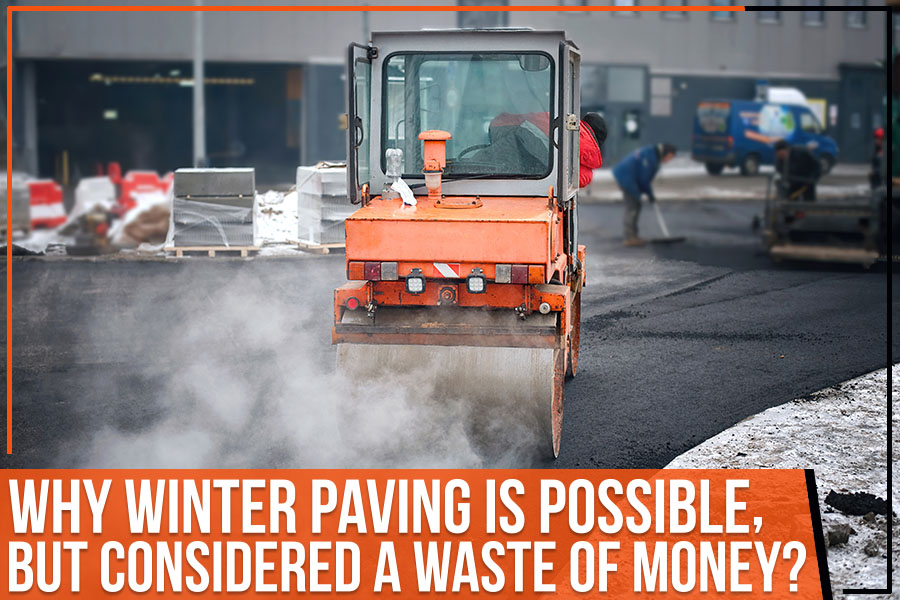
- Winter is fine for emergency pothole patches. Larger paving and sealcoating jobs are best held for warmer, dry days. Our winters are mild most of the time, but hard freezes do happen.
- Avoid rain. Asphalt and sealants shouldn’t go down on wet surfaces or with rain in the forecast.
The best time to fix damage is soon after you notice it. Scheduling for good weather is smart. Waiting through another storm season with open cracks is not.
A simple yearly checklist
- Walk the pavement after a heavy rain and note where water collects.
- Look for new cracks each spring and fall, and get them sealed while they’re small.
- Keep gutters, downspouts and ditches directing water away from the pavement.
- Clean up oil and fuel spills quickly. They soften asphalt.
- Avoid parking heavy equipment or trailers on the same spot for long periods, especially near edges.
- Sealcoat every two to three years.
- Have anything bigger than a hairline crack looked at before it becomes a pothole.
Frequently asked questions
How do I know if my driveway needs resurfacing or replacement?
Look at the type of damage. If the surface is faded, rough or has shallow cracks but feels solid, resurfacing usually works. If you see alligator cracking, deep ruts, sinking or many potholes, the base has likely failed and replacement is the better long-term choice.
Can you resurface over cracked asphalt?
Yes, if the cracks are surface-level and the base is solid. Cracks should be sealed and failed areas repaired first. Otherwise they will reflect back through the new layer within a few seasons.
How long does resurfacing last compared to replacement?
A resurfaced driveway on a good base can last many years, often 8 to 15 with regular sealcoating. A full replacement with a properly built base often lasts 15 to 20 years or more. How you maintain it makes a big difference either way.
Is it worth patching potholes, or should I just replace the driveway?
A few potholes in an otherwise healthy driveway are worth patching properly. If potholes keep coming back or are spread across the surface, the money spent on patches is better put toward replacement.
Why does my driveway keep cracking in the same spots?
Recurring cracks usually mean the ground is moving underneath, which is common with clay soils in Central Texas, or the base is weak in that area. Sealing helps keep water out, but a lasting fix may require repairing the base or improving drainage.
Can asphalt be repaired in the winter?
Small emergency patches can be done in cold weather. Larger repairs, resurfacing and sealcoating perform best when it’s warmer and dry, so most of that work is scheduled for spring through fall.
Get a free estimate. If you’re not sure whether your pavement needs a repair, a new surface or a full rebuild, contact us for a free estimate and we’ll take a look and give you a straight answer.