Ever heard the saying, “the best time to plant a tree was 20 years ago, and the second-best time is now?” Well, asphalt pavement is like that. The asphalt plants are open for business year-round, but you shouldn’t plan for asphalt installation in the winter. It’s not worth it! You might not know that asphalt paving can be more expensive during winter than convenience. The following post by Prime Asphalt discusses why asphalt pavement installation isn’t always feasible or cost-effective during the cold months.
The Basic
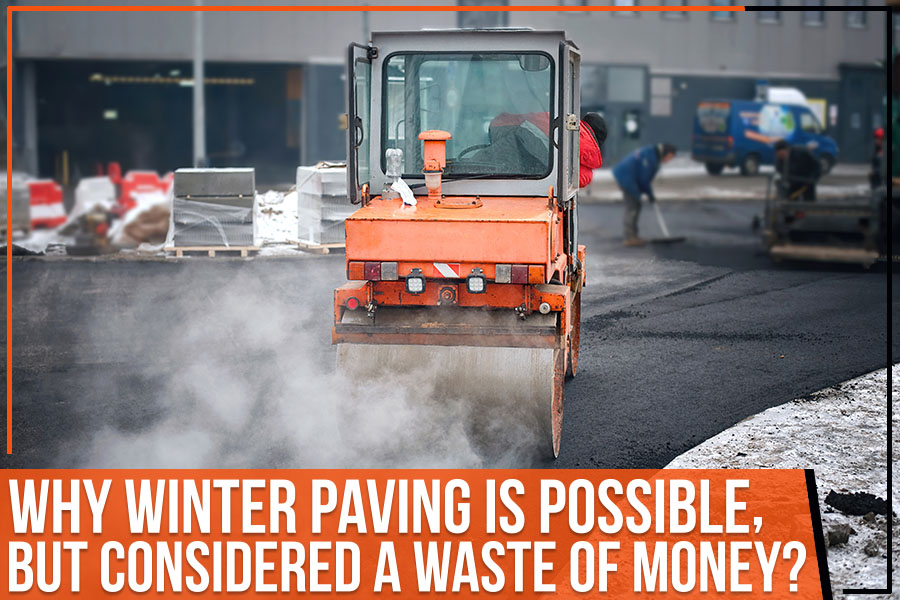
It’s not a good idea to pave in the winter since asphalt paving uses hot-mix asphalt, which must be heated before applying. Hot-mix asphalt must be kept hot throughout compaction and performance to compact appropriately. If the ambient and ground temperatures are too low, they will chill the hot-mix asphalt during transportation from the manufacturing plant to your home.
The Ground Itself
When sidewalks and driveways are installed in winter, a lot can go wrong before asphalt touches the ground! For the pavement to be laid down properly, contractors need the soil to be dry enough to compact properly. If they don’t do this, it could result in a poor surface or sink from lack of stability.
The Sinking Problem
The ground naturally contracts and expands depending on temperature levels throughout the year. During colder months, water in the soil can freeze and expand, then leave soft, settled spots when it thaws. Ground that is frozen or soaked doesn’t compact well, so the surface beneath your driveway or sidewalk may settle after asphalt is laid over it. You just invested money and time to fix that won’t last the winter.
It’s Possible, But Not Worth It
There is a way to pave during wintertime, but it’s expensive and not worth it unless your driveway is in extreme distress. You’ll need to excavate the area, lay a drainage system, and then put down a layer of sand before the asphalt can be installed. This process takes weeks longer than regular paving, so you’re looking at a total project time of around four months.
Homeowners looking to avoid the messy work of paving may not like this option, but it may be the only choice if you have an urgent need.
In Short
While it is possible to pave during winter, it’s not recommended unless your driveway is in terrible shape. Save yourself some money (and hassle) and wait until spring!
If you’re considering having your driveway paved during winter, make sure you speak with an experienced professional from Prime Asphalt, serving Waco, TX, first! They will help assess your property and determine if paving is even an option at this time of year. And if it is – they’ll know how to do it. Request an estimate.
What winter means for paving in Texas
Texas winters are mostly mild, with a few hard freezes some years and quick cold snaps when a norther blows through. That changes the picture compared to northern states:
- Many winter days in Central Texas are warm enough to pave, but cold snaps can come in fast, so schedules stay flexible.
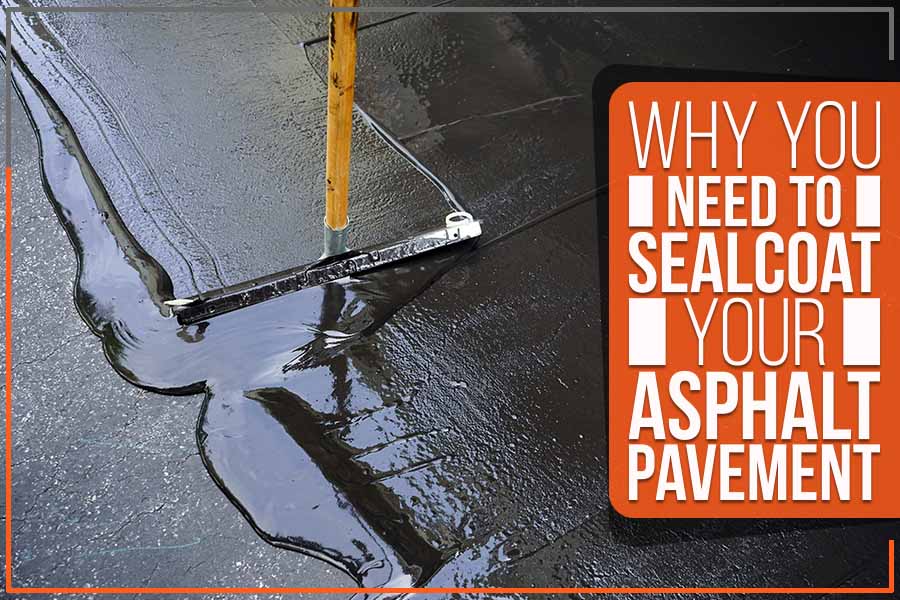
- Sealcoat and crack sealer need dry pavement and mild temperatures. Many sealcoat products call for about 50°F and rising, with no freeze expected for a day or two afterward.
- Tar and chip work is best in warm, dry weather so the asphalt holds the stone well. Plan it for late spring through early fall.
- West Texas around Big Spring and Midland gets colder nights and wider temperature swings, so the season is shorter there.
What you can do in winter instead
- Plan and budget. Get estimates in winter so work is booked for early spring.
- Fix drainage. Clear ditches and culverts and note where water stands after winter rains.
- Patch what can’t wait. Potholes on a main route or entrance can be patched now, then repaired properly when it warms up. See asphalt repairs and parking lot repair.
- Keep water out of cracks. Schedule crack sealing on the next run of mild, dry days.
Signs a repair shouldn’t wait for spring
- Potholes that are damaging vehicles or creating trip hazards
- Washouts or broken edges along a road or driveway after heavy rain
- Soft areas where trucks or equipment are sinking in
Frequently asked questions
What is the best time of year to pave in Texas?
Spring through fall. Summer is fine too. Crews often start early in the day, and the heat helps asphalt stay workable during placement.
Can you sealcoat in winter?
Only on mild, dry days. Sealcoat needs warmth to cure. If it stays cold or damp, it can wash off or stay soft, so most sealcoating waits for spring.
Is cold patch a permanent fix?
No. It’s a useful temporary repair for winter potholes, but it should be replaced with hot mix once the weather allows.
Will a hard freeze hurt my driveway?
A well-built, cured driveway handles occasional freezes. The damage usually comes from water in open cracks freezing and expanding, which is why sealcoating and crack sealing before winter matter.
Will I pay more to pave in winter?
Not always. Costs depend on materials, scope and scheduling. But if the work has to wait on the weather, the job can drag on.
Get a free estimate. Planning ahead for spring paving? Contact us for a free estimate.