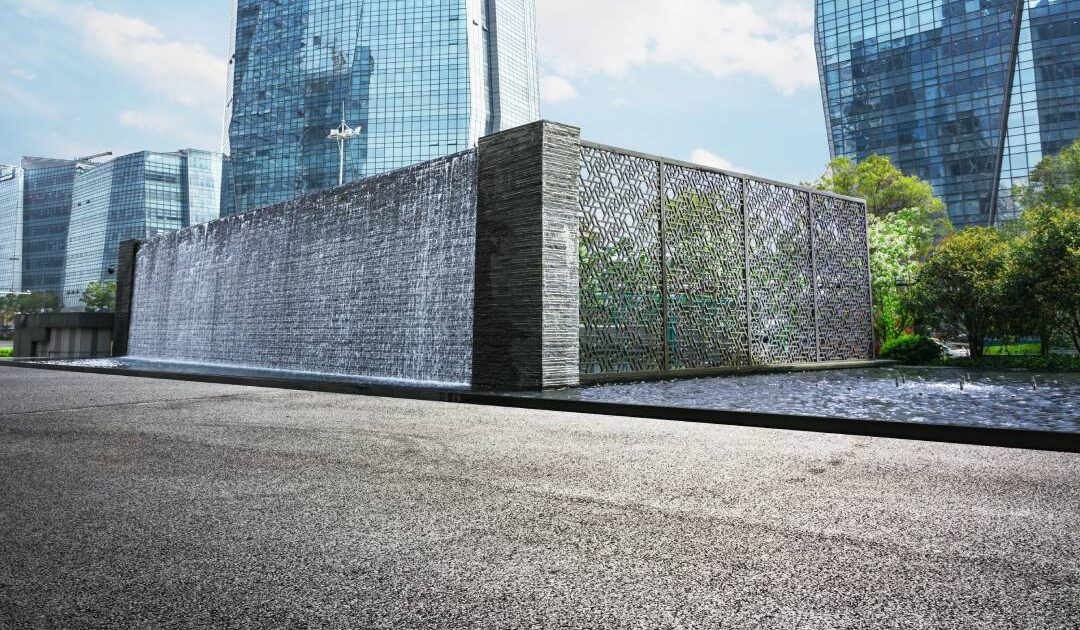
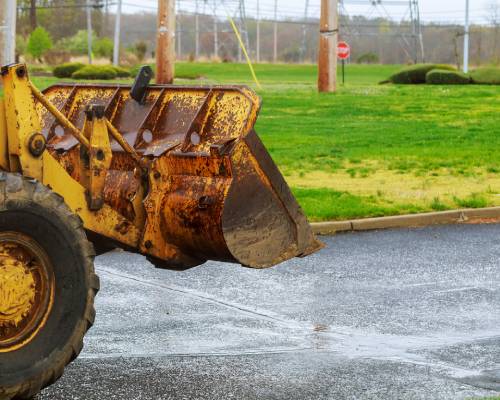
We can all tell the difference between an uneven asphalt surface and a smooth one.
Asphalt texture can tell you a lot about the condition of the surface.
If you can feel a rough texture when you run your hands over the asphalt, it indicates that the surface is not smooth. If you can see cracks or potholes, this is also an indication that the asphalt surface is not smooth.
Another possible indication that your asphalt is not in perfect condition is when the surface is patchy or rough in different areas.
Whether you opted in for a professional asphalt service or you went for a DIY method, all of these signs are a clear indication that your asphalt surface is in need of a redo.
Why Is Having a Smooth Asphalt Surface Necessary?
Having a smooth asphalt surface is necessary to ensure the safety of drivers and pedestrians. It provides a stable, even surface to drive or walk on, making it easier for drivers to see and maneuver around obstacles. Smooth asphalt also reduces the risk of damage to vehicles, as it creates a smoother ride and helps protect tires from premature wear and tear.
As for why asphalt’s surface becomes uneven and smooth? It’s probably because of high and low temperature environments. You might start seeing cracks appearing on the pavements and potholes which lead to complete asphalt deterioration. You might also observe dips and potholes in your asphalt which is another common indication. Such signs will tell you when it’s about time to hire a professional
But what causes the asphalt surface to become rugged and less-than-smooth?
Let’s find out.
The Asphalt Surface Does Not Bind The Aggregates Completely
Not enough asphalt leads to the deterioration of the asphalt surface due to the lack of adhesive binding. Without an adequate amount of asphalt, the aggregates and other components of the asphalt are not held together strongly enough. Over time, this can lead to cracking, potholing, and other types of damage to the asphalt surface.
To avoid this situation, a tack coat may be necessary. A tack coat is a thin layer of asphalt emulsion applied between two layers of asphalt to ensure a strong bond. The tack coat also helps to prevent water and debris from entering the asphalt layers and causing damage. In addition, a tack coat helps to fill in small voids between the two layers of asphalt, making them smoother and more durable.
The Asphalt Surface May Not Have Enough Compaction
Compaction is an essential part of paving an asphalt surface. If the asphalt surface does not have enough compaction, it will not be as smooth as it should be. Compaction ensures that any loose materials are packed down and any air pockets are filled in, which will create a better bond between the asphalt and the ground beneath it. If the asphalt is not adequately compacted, it will be more prone to cracking and other damage from weather and wear and tear. Besides, if there is any water that enters the pavement it will be more likely to cause damage, which will lead to further deterioration of the asphalt surface.
If you’re seeing cracks and potholes appearing on the asphalt and you’re planning to hire a trained professional, you may want to hire someone who can provide your asphalt surface with proper compaction. At Prime Asphalt, we care about all of your asphalt layering requirements permanently. Our professional experts can do a proficient job in applying a fresh layer of asphalt coat ensuring that everything is sealed off permanently. We take the time and effort to apply the perfect layer of asphalt ensuring all potholes & cracks are sealed off permanently with proper compaction.
Asphalt Smoothness Deteriorates Because of Unsuitable Aggregate Mix
An unsuitable aggregate mix for asphalt can lead to asphalt deterioration because it does not have the necessary strength and stability to withstand traffic and environmental conditions. Aggregate mix plays an important role in asphalt pavement performance. It provides structural support and resistance to deformation, fatigue, and wear. An unsuitable aggregate mix can create a weak point in the pavement, reducing its overall structural strength and leading to premature deterioration. The aggregate mix must be designed to provide the correct combination of strength, stiffness, and durability to ensure the pavement’s long-term performance. When the aggregate mix is not properly designed, it can be too hard, too soft, or too coarse, which can result in inadequate support, cracking, and crumbling of the asphalt.
Concluding Thoughts
Above discussed are all the possible causes why asphalt surfaces can easily deteriorate. May it be an unsuitable aggregate mix, or your asphalt surface does not have enough compaction, either way, our professionals can provide you with a fresh new layer of asphalt surface. Our team can provide you with high quality asphalt paving, repair and maintenance for all kinds of residential, commercial & industrial clients. Are you in need of a new asphalt driveway? Get in touch with us today.
Normal texture vs. a real problem
Asphalt is stone and sand held together by binder, so a fine, sandpaper-like texture is normal. That texture gives tires grip. Tar and chip is rougher still, on purpose, because the stone chips are the driving surface.
These are signs of an actual problem:
- Raveling: loose stone and a pitted, gravelly surface, often on older, sun-dried asphalt.
- Coarse patches: spots with lots of large stone and little fine material, a sign the mix separated during placement.
- Birdbaths: low spots that hold water after rain.
- Ruts and humps: grooves in wheel paths or bulges where heavy vehicles stop and turn.
- Cracks that connect into a pattern like alligator skin, which usually points to a weak base.
Why Central Texas pavement gets rough
Around Waco, Temple and south DFW, much of the ground is Blackland Prairie clay. It shrinks and cracks in drought and swells when it gets wet. If the base under the asphalt isn’t thick enough or drainage is poor, that movement shows up on top as dips, edge cracks and uneven spots.
Heat plays a part too. Hot asphalt is softer, so heavy trucks parked in the same place on summer afternoons can push it into ruts. And after a spring storm or flash flood, water that gets into cracks softens the base and speeds up the damage.
What fixes what
- Early raveling or a faded, dry surface: sealcoating can slow it down if the asphalt is still sound.
- Open cracks: crack sealing keeps water out of the base.
- Isolated dips, potholes or alligator cracking: cut out and patch with an asphalt repair.
- Rough, worn surface over a solid base: an overlay through asphalt resurfacing.
- Widespread base failure: full-depth reconstruction is the only lasting fix.
Frequently asked questions
My new driveway has a rough texture. Is that a defect?
An even, fine texture is normal. Patchy areas of loose or coarse stone, roller marks you can feel, or spots that hold water are worth asking your contractor about.
Will sealcoating make a rough surface smooth?
No. Sealcoat fills very fine texture and restores color, but it doesn’t level dips or fill raveled areas. Those need repair or resurfacing.
Why does water puddle on my asphalt?
Either the slope wasn’t built in, or the base has settled. Small birdbaths are cosmetic, but large or growing ones should be fixed before they break down the surface.
Is tar and chip supposed to be rough?
Yes. It feels like packed gravel. Some loose stone in the first few weeks is normal and gets swept off.
Can a rough asphalt surface be overlaid?
Often, yes, as long as the base is solid. Failed spots should be repaired first, or the cracks and dips will come back through the new layer.
Get a free estimate. If your pavement is getting rough or uneven, contact us for a free estimate and an honest look at what it needs.