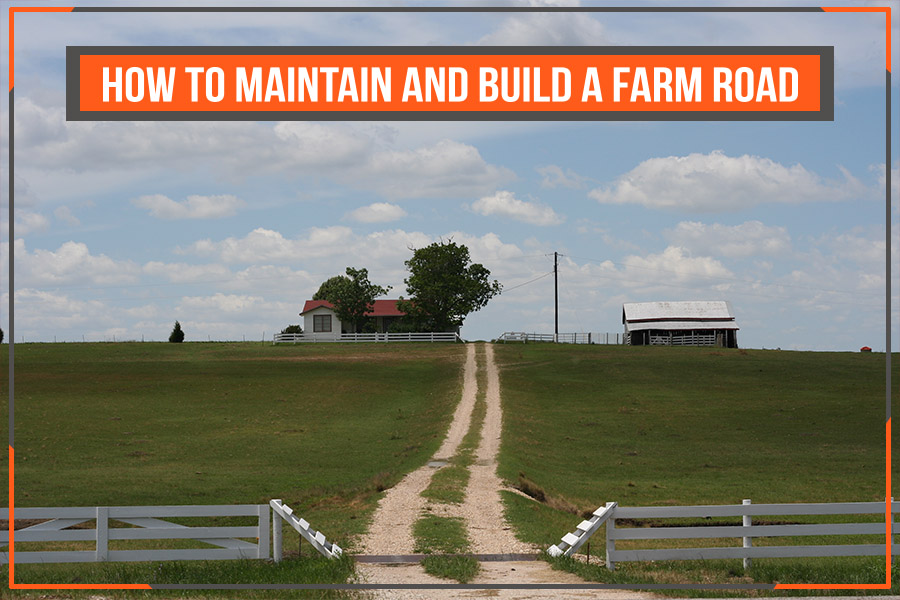
If you own a private road, you’re the road department. Nobody from the city is coming to patch it, clear the culverts or decide when it needs a reseal. That can be a ranch road, a subdivision street an HOA is responsible for, or the access drive into a shop or business park.
The good news is that private roads don’t need anything exotic. They need water kept off and out of them, cracks closed before they spread, and a resurfacing plan that happens on your schedule, not after a failure. This guide covers how to do that, in what order, and what to budget for over the life of the road.
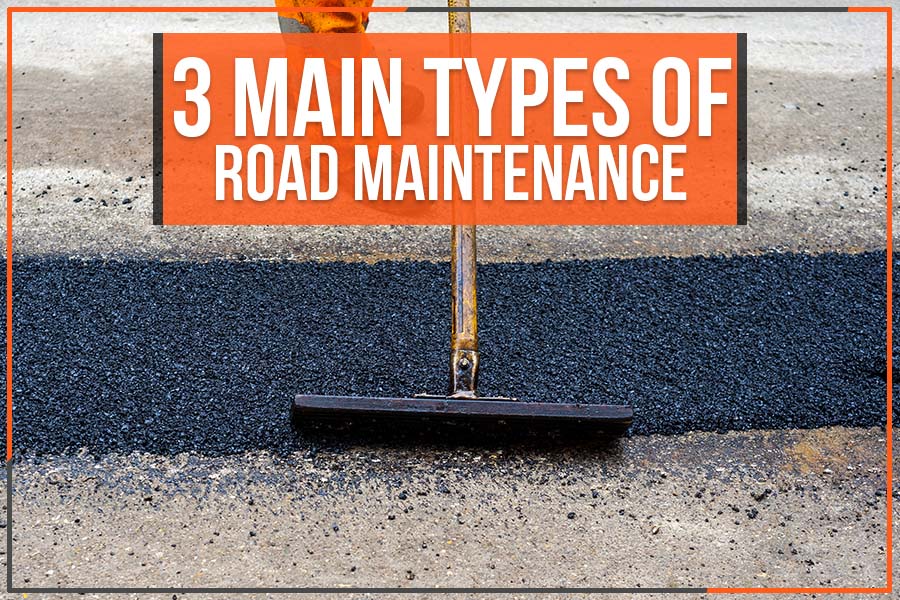
The three kinds of road maintenance
Every piece of road work falls into one of three buckets. The goal is to spend most of your money in the first one.
- Preventive maintenance is work done while the road is still in good shape: crack sealing, sealcoating or chip seal resealing, ditch and culvert cleaning, shoulder upkeep and trimming brush. It’s the cheapest work per foot and it’s what keeps a road from reaching the other two buckets.
- Corrective maintenance fixes damage that has already happened: potholes, alligator cracking, raveling, soft spots, rutting and washed-out edges. It costs more than prevention, but done promptly it stops a small failure from spreading across a lane.
- Emergency maintenance is the unplanned stuff: a culvert that blew out in a storm, a washout that cut the road, a pothole deep enough to damage a truck or a stretch that’s unsafe after flooding. You can’t eliminate emergencies, but good drainage and regular inspections make them rare.
| Type | Typical work | When it happens |
|---|---|---|
| Preventive | Crack sealing, sealcoat or chip seal reseal, ditch and culvert cleaning, shoulder and vegetation work | On a schedule, before visible failure |
| Corrective | Pothole and area patching, edge repair, base repair under soft spots, overlays | When inspection finds damage |
| Emergency | Washout repair, culvert replacement, hazardous potholes, storm cleanup | Immediately, often after heavy rain |
A road that only ever gets emergency and corrective work costs far more over its life than one on a steady preventive plan. That’s true whether it’s half a mile of ranch road or six streets in a subdivision.
Start with drainage
Water is one of the biggest threats to any road, often doing more harm than traffic. When water gets under the surface it softens the base, and a soft base can’t hold up the pavement above it. That’s where potholes, cracking and sinking edges start.
This matters a lot in Central Texas. Around Waco, Temple and the south DFW area, much of the ground is Blackland Prairie clay that swells when wet and shrinks when dry. Roads built on it move with the seasons, and poor drainage makes that movement worse. Spring storms and flash flooding add another test, since a culvert that can’t keep up will push water over or through the road.
Basic drainage upkeep for a private road:
- Keep the road crowned (higher in the middle) or sloped so water sheds to the side instead of sitting on top.
- Keep ditches open and graded so water moves away from the road, not along it.
- Clean culverts at least once a year and after big storms. Look for silt, brush, trash and crushed or rusted pipe ends.
- Watch the shoulders. Low or eroded shoulders let water undercut the pavement edge.
- Trim grass and brush that traps water along the edge or blocks ditches.
- Note where water ponds after a rain. Ponding spots are where failures show up next.
If you’re adding or replacing a culvert or a driveway approach where your road meets a public road, check with your city or county; many require a permit for driveway approaches and culverts.
Crack sealing
Cracks are the front door for water. Once water reaches the base, a crack turns into a pothole or a patch of alligator cracking in a season or two. Sealing cracks while they’re still narrow is one of the best returns you’ll get on road maintenance.
- Seal cracks once they’re wide enough to take sealant, usually around a quarter inch, and before they branch out.
- Professional crack sealing cleans the crack out, then fills it with a hot rubberized sealant that stays flexible as the road moves.
- Mild weather in fall or spring is the best time. Cracks are partly open, so the sealant goes in deep, and the material bonds well.
- Crack sealing isn’t a fix for wide areas of alligator cracking. That pattern usually means the base has failed and the area needs patching.
Our crack sealing service is often the first thing we recommend for a road that’s still in decent shape but starting to show lines.
Patching and pothole repair
Potholes form when water gets under the surface, the base softens, and traffic breaks the weakened pavement loose. Freeze and thaw cycles speed it up when a cold snap comes through, but in most of Texas it’s mainly water and traffic.
There’s a difference between a quick fill and a proper repair:
- Cold patch is a bagged, ready-to-use mix. It’s fine as a temporary fix to make a hole safe, but it rarely lasts long.
- A full repair cuts out the damaged area to sound edges, fixes the base if it’s soft, then places and compacts new hot asphalt. On a chip seal road, the patch is built up and then chip sealed so it matches the surface.
If the same spot keeps failing, the problem is almost always underneath: a soft base, a drainage issue or a utility cut that wasn’t backfilled well. Patching the top again won’t change that.
Chip seal roads and resealing cycles
Many ranch roads, county-style lanes and rural subdivisions in Texas are tar and chip. A chip seal is a layer of hot liquid asphalt with stone pressed into it. It’s tough, has good traction and usually costs a fraction of asphalt paving per foot.
A chip seal surface typically lasts roughly 7 to 10 years, depending on traffic, sun and how well the road drains. The key to keeping a chip seal road cheap is resealing it before the surface wears through:
- Watch for stone loss (bare, shiny or black patches where chips have come off), loose gravel collecting at the edges and fine cracking.
- Plan a reseal while the base is still sound. A new chip seal layer over a good road is far cheaper than rebuilding a road that’s been left too long.
- Repair potholes and soft spots before resealing so the new layer has a solid surface to bond to.
- Expect some loose stone for the first few weeks after a new chip seal. That’s normal and it settles in with traffic.
Chip seal can also go over an existing asphalt road that’s worn but structurally sound. Learn more on our tar and chip paving page.
Sealcoating and overlays for asphalt roads
Hot mix asphalt roads, common in subdivisions and business access drives, have two main maintenance tools besides crack sealing and patching.
Sealcoating
Sealcoat is a thin protective coating that shields asphalt from sun, water and fuel. The Texas sun breaks down the binder in asphalt over time, which makes the surface dry, gray and brittle. Sealcoating every 2 to 3 years slows that down. It doesn’t fill potholes or fix structural damage, so do the crack sealing and patching first.
Overlays
When an asphalt road is worn, rough or widely cracked but the base is still solid, an overlay puts a new layer of asphalt over the old surface. It costs much less than a full rebuild and gives you a smooth new road. An overlay won’t fix a failed base, though. If the road has rutting, sinking areas or alligator cracking across large sections, those spots need base repair first or the cracks will reflect up through the new layer.
Choosing the right fix
| What you see | Likely cause | Usual fix |
|---|---|---|
| Single cracks, mostly straight lines | Age, heat and ground movement | Crack sealing |
| Gray, dry, rough asphalt surface | Sun oxidizing the binder | Sealcoat (asphalt) or reseal (chip seal) |
| Bare spots and loose stone on chip seal | Surface worn through | Chip seal reseal |
| Alligator (web) cracking | Base failure, usually from water | Cut out and patch, fix base |
| Potholes | Water in the base plus traffic | Full-depth patch |
| Crumbling or sinking edges | Low shoulders, water undercutting, heavy loads on the edge | Edge repair and shoulder work |
| Worn surface over a sound base | Age | Overlay or chip seal |
A yearly inspection checklist
Walk or slowly drive the full road at least once a year, ideally in late summer or early fall so any crack sealing can happen in mild weather. Take photos so you can compare year to year. A second quick look after a big storm is worth it.
- Surface: note new cracks, alligator cracking, potholes, raveling (loose stone or crumbling surface) and faded or bare areas.
- Edges and shoulders: look for breaking edges, drop-offs and erosion.
- Drainage: check where water ponds, whether ditches are flowing and whether culverts are clear and intact.
- Ride quality: feel for dips, bumps, rutting and soft spots, especially where heavy trucks turn or park.
- Vegetation: look for weeds in cracks, brush blocking ditches and tree roots lifting pavement.
- Safety items: check visibility at curves and intersections, any signs or reflectors you maintain, and striping on subdivision or business roads.
- Heavy use areas: look closely at entrances, turnarounds, gates and loading areas.
- Your records: log the date of the last crack seal, sealcoat or chip seal, and any patching. That record makes budgeting much easier.
Budgeting and planning for owners and HOAs
Most private road problems are really planning problems. Some practical habits:
- Set aside money every year instead of waiting for a big bill. HOAs can build road work into their reserve study.
- Do work in phases. Crack seal the whole road this year, patch the worst section next year, reseal the year after. A steady plan beats one big emergency job.
- Bundle work. Patching right before a reseal or overlay saves a separate trip and gives the new surface a better base.
- Know who’s responsible. For shared roads, put maintenance responsibility and cost sharing in writing.
- Manage heavy loads. Feed trucks, cattle trailers, gravel haulers and construction traffic wear roads fastest. Ask heavy vehicles to stay off the edges and avoid sharp turns on hot days.
We help with both HOA and subdivision roads and farm and ranch roads, and our road maintenance page explains how we approach ongoing work.
A sensible word on recycled materials
Recycling is common in paving, and it’s useful for private roads when it’s used in the right place.
- Asphalt millings are ground-up old asphalt. On a rural road or ranch lane, millings compact into a firmer surface than plain gravel and cost less than new asphalt. They’re a good option for low-traffic roads, but they’re still a gravel-style surface and will need grading and touch-ups.
- Reclaimed asphalt pavement (RAP) is old asphalt that gets processed and blended into new hot mix. It’s a standard, well-established practice and doesn’t mean a lower quality road when the mix is designed properly.
- In-place recycling methods, where an old road is ground up and reused as the new base, are mostly used on larger public roads. For a private road, they can make sense when the base has failed over a long stretch, but they’re not the answer for every job.
The most sustainable thing you can do for a private road is make it last. Sealing cracks, keeping water off and resealing on time means less material, less hauling and fewer rebuilds.
Frequently asked questions
How often does a private road need maintenance?
Inspect it every year. Most roads need some crack sealing or patching every year or two, sealcoating every 2 to 3 years for asphalt, and a chip seal reseal roughly every 7 to 10 years for tar and chip roads, depending on traffic and drainage.
Is chip seal or asphalt better for a private road?
It depends on the use. Chip seal usually costs a fraction of asphalt per foot and works well for ranch roads and rural lanes. Asphalt gives a smoother finish that suits subdivisions and business access roads with more traffic. Both need a good base and good drainage.
Why do potholes keep coming back in the same spot?
Usually the problem is under the surface: a soft base, water getting in or a poorly backfilled cut. A proper repair removes the damaged area, fixes the base and then patches with hot asphalt.
Can you put new asphalt or chip seal over an old road?
Often, yes, if the base is still solid. Failed areas need to be repaired first. Otherwise the cracks and soft spots come right back through the new surface.
When is the best time of year for road work in Texas?
Paving and chip seal need warm, dry weather, so late spring through early fall is typical. Crack sealing works best in mild weather in fall or spring.
Who pays for maintenance on a shared private road?
That’s set by your deed, easement, road agreement or HOA documents. If nothing is in writing, it’s worth getting an agreement in place before a big repair is needed.
Get a free estimate. If your road is due for crack sealing, patching or a reseal, contact us and we’ll take a look and give you a free estimate.