An asphalt driveway can last a long time, but only if it gets some basic care. Most of what shortens its life comes down to a short list: sun, water, oil and fuel, heavy loads and the occasional hard freeze. The care that fights them is also short: be gentle with it while it’s new, sealcoat on a schedule, seal cracks early and keep water moving off the surface.
This guide pulls all of that into one place, with a year-round calendar you can follow for a Texas driveway.
The first year after paving
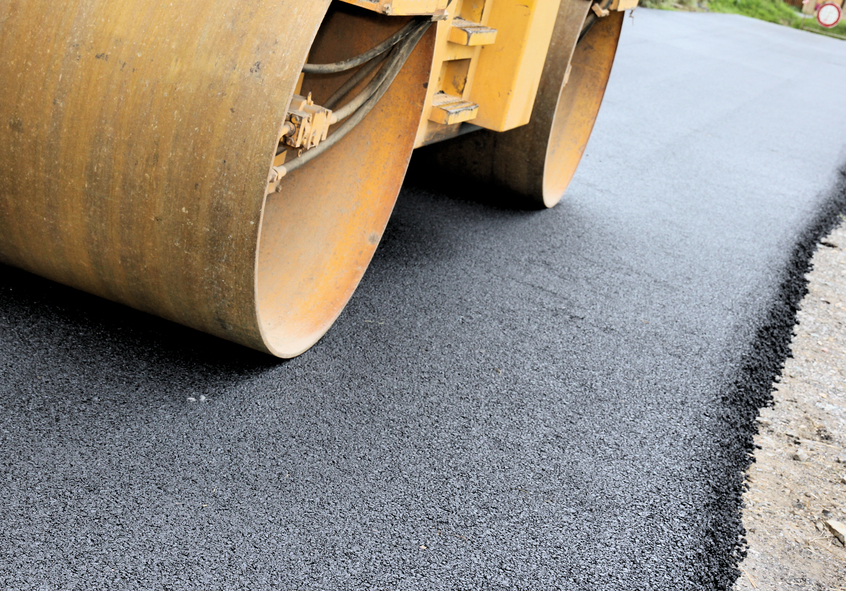
New asphalt is still curing. The binder that holds the stone together is soft at first and hardens over the following months. How you treat the driveway in that first stretch has a lot to do with how it looks years later.
The first few days
- Stay off it with vehicles for at least 24 to 72 hours. In hot weather, wait toward the longer end.
- Keep foot traffic, bikes and pets off it for the first day if you can.
- If it’s very hot, a light spray of cool water from a hose can help firm up the surface. Ask your contractor first.
The first several months
- Don’t turn your steering wheel while parked. Turning in place, called power steering, can scuff and twist the soft surface.
- Vary where you park. Parking in exactly the same spot every day can leave dents, especially in summer.
- Stay off the edges. The unsupported edges are the weakest part of new asphalt. Driving or parking on them can make them crack and crumble.
- Keep heavy loads off. Avoid moving trucks, RVs, trailers, dumpsters and delivery trucks if you can. If you can’t, put plywood under jack stands, trailer tongues and kickstands.
- Watch out for sharp points. Motorcycle kickstands, ladder feet, lawn chairs and trailer jacks can all punch into soft asphalt on a hot afternoon.
- Don’t sealcoat yet. New asphalt needs time to cure first. More on that below.
Some small marks in the first summer are normal and usually even out as the surface hardens.
Sealcoating: why and when
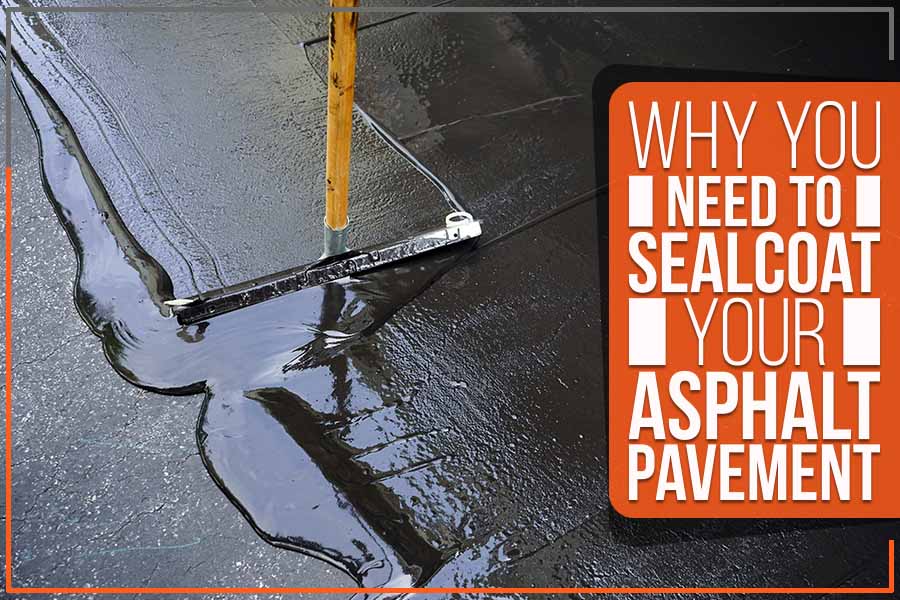
Sealcoat is a thin protective coating that goes over asphalt. It does three things: it blocks UV rays from the sun, it keeps water from soaking into the surface, and it resists oil and fuel spills. It also gives the driveway that deep black look again.
What sealcoat doesn’t do is fix damage. It won’t fill potholes, repair a sinking area or close anything more than hairline cracks. Those need to be repaired first, then sealcoated.
Timing
- New asphalt: wait about six months before the first sealcoat. Sealing too soon traps oils in the fresh asphalt and can keep it from curing properly.
- After that: sealcoat every 2 to 3 years. Driveways in full sun or with heavy use may want the shorter end of that range.
- Don’t over-seal. Sealing every year builds up thick layers that can crack and peel. More isn’t better.
- Weather: sealcoat needs dry weather and warm temperatures, usually above 50 degrees and rising, with no rain expected for at least a day. In Texas, spring and fall are ideal. Midsummer works if it’s done early or late in the day.
- After sealing: stay off it for about 24 to 48 hours, or as your contractor advises.
A good sign it’s time: the driveway has faded from black to gray, the surface looks dry or rough, or water soaks in instead of beading. Learn more on our sealcoating page.
Crack sealing
Cracks are normal as asphalt ages, and in Central Texas the ground itself moves. Blackland Prairie clay around Waco, Temple and the south DFW area swells when wet and shrinks when dry, which puts stress on any pavement sitting on it. The real damage comes from water getting through a crack into the base underneath. A soft base is how small cracks turn into potholes and broken areas.
- Hairline cracks are usually handled by sealcoating.
- Cracks about a quarter inch or wider should be cleaned out and filled with a flexible crack sealant. Professional crack sealing uses a hot rubberized material that bonds well and moves with the pavement.
- Web or alligator cracking (a pattern that looks like a reptile’s skin) usually means the base under that area has failed. That needs to be cut out and patched, not just sealed.
- Weather matters. Crack sealing works best in mild, dry weather, usually in spring or fall. In very cold weather, sealant doesn’t bond as well and cracks are wide open; in peak summer heat, they’re squeezed nearly shut.
- Seal before you sealcoat. Do the crack sealing first so the sealcoat goes over a closed surface.
DIY pourable crack filler from a hardware store can buy time on small cracks. For a full driveway, our crack sealing service will last longer.
Oil, fuel and chemicals
Asphalt is held together by a petroleum-based binder. Oil, gasoline, diesel, brake fluid and solvents dissolve that binder, which leaves soft, crumbly spots. A small drip every day does more damage than most people expect.
- Fix leaking vehicles, or park them somewhere else until they’re repaired.
- Put a drip pan or mat under any vehicle, mower or equipment that leaks.
- Soak up fresh spills right away with cat litter, sawdust or another absorbent, then sweep it up.
- Clean stains with dish soap and water. Avoid harsh solvents, which can do more harm than the stain.
- Fill mowers, generators and gas cans on the grass or a drop cloth, not on the driveway.
- If a spot has gone soft or crumbly, it may need to be cut out and patched.
Sealcoat gives you a layer of protection against spills, which is one more reason to keep it current.
Texas sun and heat
The sun is asphalt’s biggest enemy in Texas. UV rays oxidize the binder over time. The driveway fades from black to gray, the surface gets dry and brittle, and the stone on top starts to loosen. That brittleness is what lets cracks form.
Heat adds another problem. On a hot summer afternoon, asphalt softens. That’s normal and it firms up again when it cools, but it’s also when the surface is easiest to dent and scuff.
- Keep sealcoat on schedule. It works like sunscreen for the surface.
- On hot days, avoid turning your wheels in place, parking heavy trailers or putting sharp objects on the driveway.
- Use plywood under trailer jacks, kickstands and anything that puts weight on a small point.
Water and drainage
Water is behind most driveway failures. When it sits on the surface or runs under the edges, it softens the base, and a weak base can’t support the pavement above it.
- Point downspouts away from the driveway and make sure water has a place to go.
- Don’t let sprinklers spray the driveway every day.
- Watch where water ponds after a rain. A low spot may need to be leveled or patched.
- Keep soil and grass along the edges level with the pavement so the edge stays supported and water can run off.
- Keep the surface swept. Leaves and dirt hold moisture against the asphalt.
- Watch for tree roots near the edges. They can lift and crack the pavement over time.
Freezes and winter care
Central Texas doesn’t get many hard freezes, but when one comes, it finds every weak spot. Water in cracks freezes, expands and pushes the crack wider. A few freeze-thaw cycles can turn a crack into a pothole by spring.
- Get ready in fall. Seal cracks and fix small holes while the weather is still mild, so water has fewer ways in.
- Clear leaves and debris before winter so they don’t trap water on the surface.
- Remove ice with care. Use a plastic shovel instead of a metal edge. Don’t chip at ice with a shovel or pick.
- Use deicers sparingly. They can wear down sealcoat, damage nearby concrete and harm grass and plants. Sand gives traction without the chemicals.
- Check after the thaw. Walk the driveway once the weather warms and note any new cracks or loose pieces for spring repair.
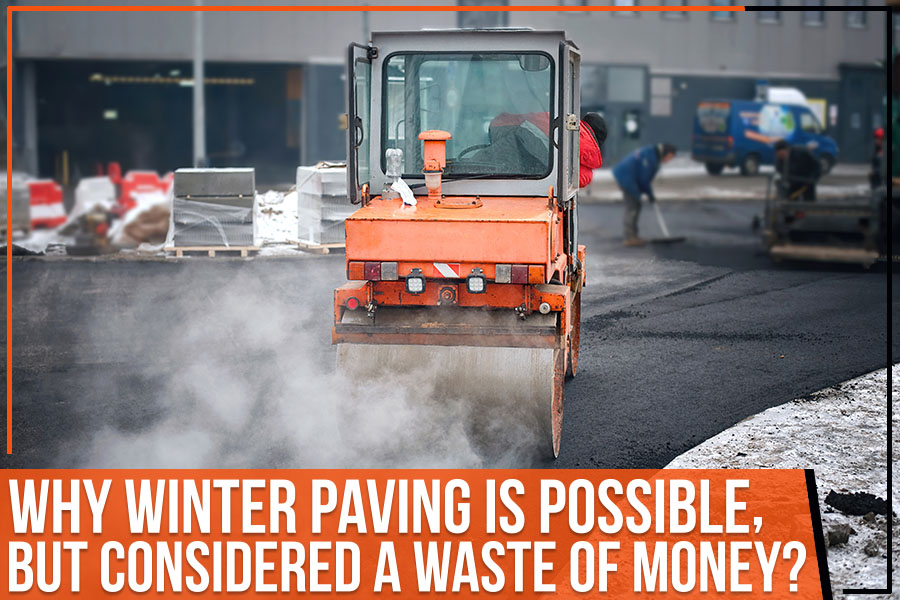
Winter is fine for planning and small fixes, but most bigger repairs are best done once temperatures warm up.
Year-round care calendar
| Season | What to do |
|---|---|
| Spring (March to May) | Walk the driveway after winter and note new cracks or soft spots. Seal cracks and patch small holes. Sealcoat if it’s been 2 to 3 years. Clear drains and point downspouts away. |
| Early summer (June) | Sweep and rinse the surface. Clean up oil stains. Check edges and backfill low soil. |
| Peak summer (July to August) | Avoid turning wheels in place and parking heavy loads. Use plywood under jacks and kickstands. Plan any fall work. |
| Fall (September to November) | Best time for crack sealing and sealcoating along with spring. Clear leaves often. Fix small issues before winter. |
| Winter (December to February) | Keep debris off. Use plastic shovels and go easy on deicers. Check for new cracks after any freeze and plan spring repairs. |
| Any time | Clean up spills fast. Fix vehicle leaks. Keep heavy trucks and trailers off the edges. |
Repair, resurface or replace?
Care extends a driveway’s life, but eventually every driveway needs more than maintenance. Here’s a simple way to think about the options:
- Repair when the problems are limited: a few potholes, a broken edge or a damaged section. Our asphalt repairs fix those areas without redoing the whole driveway.
- Resurface when the surface is worn, rough or has lots of cracks, but the base underneath is still solid. A new layer of asphalt goes over the old one. See asphalt resurfacing.
- Replace when there’s widespread alligator cracking, sinking, standing water or repeated failures. That usually means the base has failed, and a new surface on top won’t last.
Related: How to Treat Oil Spots on Asphalt Parking Lots and Driveways · Repair, Resurface or Replace? How to Decide What Your Asphalt Needs
Frequently asked questions
How soon can I drive on a new asphalt driveway?
Usually after 24 to 72 hours, longer in hot weather. Avoid heavy vehicles, sharp turns in place and parking on the edges for the first several months while the asphalt cures.
How long should I wait to sealcoat new asphalt?
About six months. That gives the asphalt time to cure. After the first coat, sealcoat every 2 to 3 years.
Can I sealcoat my driveway every year?
It’s not recommended. Too many layers can build up and crack or peel. Every 2 to 3 years is enough for most driveways.
Does sealcoating fix cracks?
It covers hairline cracks, but wider cracks need to be cleaned and filled with crack sealant first. Sealcoat doesn’t repair potholes or base damage.
Why is my new driveway soft or marked in summer?
New asphalt is softer for the first months, and all asphalt softens in hot weather. Some marks are normal and usually even out. Avoid turning wheels in place and use plywood under sharp or heavy points.
Is salt bad for an asphalt driveway?
Deicers can wear down sealcoat and damage nearby concrete and plants. Use them sparingly, and use sand for traction when you can.
Get a free estimate. If your driveway needs crack sealing, sealcoating or repairs, contact us for a free estimate.