Tar and chip is one of the most practical ways to pave a driveway in Texas, especially a long rural one. It costs much less than asphalt up front, gives great traction, and has a rustic look that suits farms, ranches and country homes. It also has real trade-offs. This guide covers how it is built, what drives the cost, how long it lasts, how it compares with asphalt and gravel, and how to take care of it.
What a tar and chip driveway is
Tar and chip, also called chip seal, is a surface built in layers right on your driveway. The name is a holdover: modern tar and chip uses a hot liquid asphalt binder or asphalt emulsion, not old-fashioned coal tar.
The basic process looks like this:
- Prepare the base. The existing gravel or road base is graded, shaped for drainage and compacted. New base material is added where it is thin or soft.
- Spray the binder. A distributor truck sprays an even coat of hot liquid asphalt over the base.
- Spread the stone. Clean, crushed stone chips are spread over the wet binder right away.
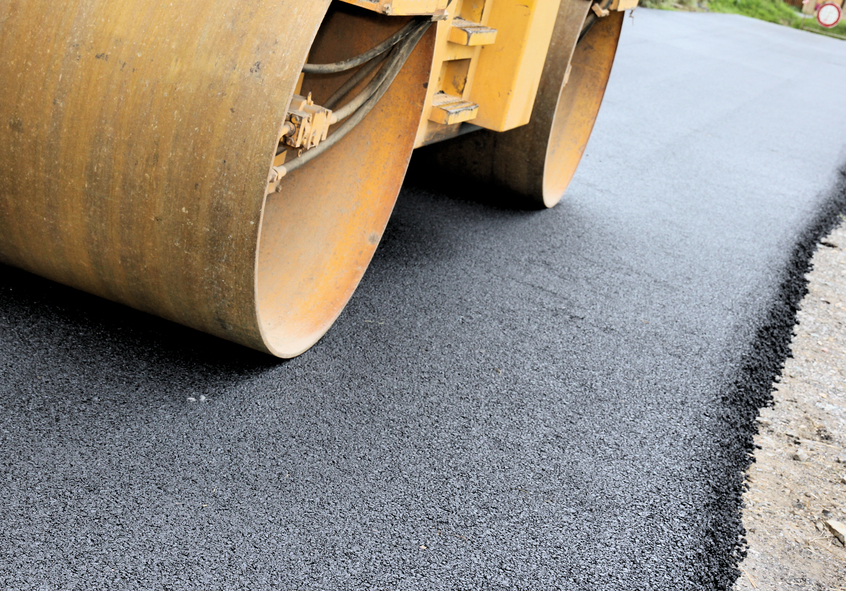
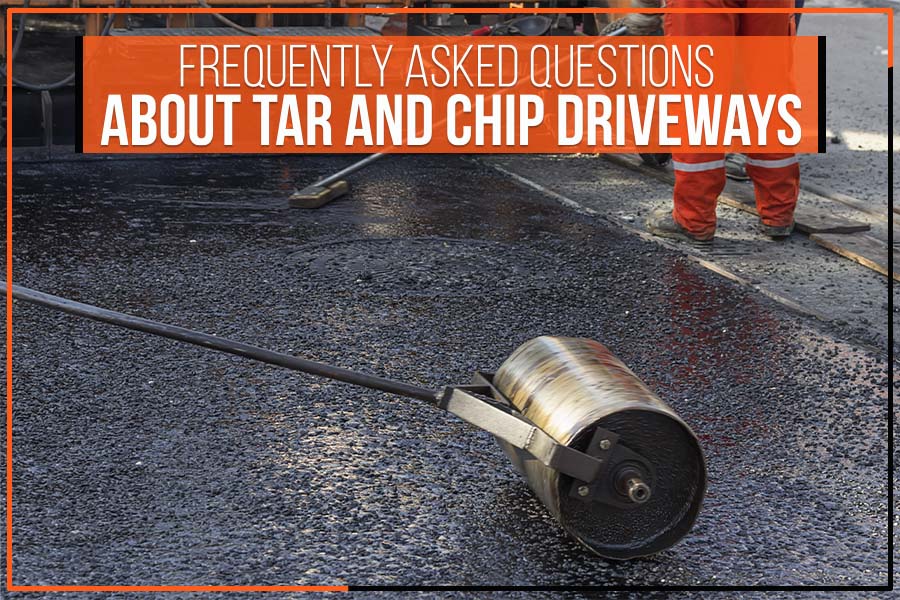
- Roll it in. A roller presses the stone into the binder so it locks in place as it cools and cures.
- Sweep the extra. Loose stone that did not stick is swept off once the surface has set.
A single chip seal is one layer of binder and stone. A double chip seal repeats the process for a thicker, tougher surface that holds up better to heavier traffic. Many driveways and ranch roads are best served by a double application, and we will tell you which one your site needs.
The surface is only as good as what is under it. A solid, well-drained base does most of the structural work. The chip seal is the wearing surface that protects that base from water and traffic.
What a tar and chip driveway costs
We do not quote prices without seeing the property, because every driveway is different. As a general rule, tar and chip usually costs a fraction of what asphalt costs per square foot, and a bit more than a fresh layer of gravel. For a long driveway or ranch road, that difference adds up fast.
These are the main things that move the price:
- Size. Length and width set the amount of binder and stone. Larger jobs usually cost less per square foot.
- Base condition. An existing gravel drive in good shape needs little prep. Ruts, soft spots, potholes or bare dirt mean more base work, and base work is often the biggest variable.
- Single or double application. A double chip seal uses more binder, stone and labor than a single layer.
- Drainage work. Culverts, crowning, ditches or regrading to move water off the drive add cost but protect the investment.
- Stone choice. Different stone sizes and colors are priced differently depending on local supply.
- Access and location. Tight access, steep grades or a remote site can affect how the equipment works and what it costs to get there.
Is tar and chip cost effective?
For the right property, yes. Cost effectiveness is not just the price on day one. It is what you pay over the years for a surface that does its job.
- Lower upfront cost than asphalt or concrete, which matters most on long drives.
- Less upkeep than gravel. No regular regrading, refilling ruts or chasing washed-out stone after every storm.
- Easy to renew. When the surface wears, a new chip seal layer can usually be applied over the old one instead of tearing it out.
- Protects the base. Sealing the base keeps water out, so the road under it lasts longer.
Where it is less cost effective: short, steep or tight suburban driveways with lots of turning, or a property where a smooth, finished look is the priority. In those cases asphalt is often the better value over time.
How long tar and chip lasts
A well-built tar and chip surface on a sound base typically lasts around 7 to 10 years before it needs a fresh layer, and a double chip seal or a good maintenance routine can stretch that. Lifespan depends on:
- The quality and drainage of the base underneath
- Single versus double application
- Traffic, especially heavy trucks, trailers and farm equipment
- How quickly cracks, edge breaks and soft spots are fixed
Because it can be resurfaced in place, a tar and chip driveway can keep going for many years beyond its first layer as long as the base stays healthy.
Pros of tar and chip
- Affordable. Usually far less than asphalt or concrete, especially on long runs.
- Excellent traction. The textured stone surface grips well in rain, which helps on slopes.
- Handles Texas heat. The thin stone surface does not rut the way a poorly built asphalt drive can in summer.
- Flexible. It can move a little with the ground instead of cracking like a rigid slab, which helps on shifting clay soils.
- Rustic look. It looks like a natural stone road, which fits ranches, farms and country homes. You can choose the stone color.
- No dust or washouts compared with a plain gravel drive.
- Low maintenance and simple to renew with a new layer.
Cons of tar and chip
- Some loose stone at first. Expect extra stone for the first few weeks until traffic and sweeping clear it.
- Not smooth. It is rougher than asphalt, so it is not ideal for skateboards, bikes, rolling carts or basketball.
- Scuffing from sharp turns. Turning the steering wheel while a vehicle is standing still, or heavy trucks turning tightly, can scuff stones out, especially while the surface is new.
- Patches can show. Repairs work fine but may not blend perfectly with older surface.
- Shorter cycle than asphalt. It needs a fresh layer more often than a well-kept asphalt drive.
- Weather window. It needs warm, dry weather to install, so it is a warm-season job.
- HOA or city rules. Some neighborhoods require asphalt or concrete. Check before you commit.
Tar and chip vs. asphalt vs. gravel
Here is how the three most common driveway surfaces compare for most Texas properties.
| Factor | Tar and chip | Asphalt | Gravel |
|---|---|---|---|
| Upfront cost | Low to moderate | Highest of the three | Lowest |
| Typical life of the surface | About 7 to 10 years, then re-chip | About 15 to 20+ years with upkeep | Needs regular regrading and new stone |
| Routine maintenance | Low; fix edges and soft spots, re-chip when worn | Moderate; crack seal and sealcoat every 2 to 3 years | High; ruts, potholes, washouts, weeds |
| Look | Natural stone, rustic | Smooth, black, finished | Loose stone, informal |
| Traction | Excellent | Good | Fair; loose on slopes |
| Dust and mud | Minimal | None | Dusty when dry, muddy when wet |
| Smooth for wheels and play | No | Yes | No |
| Best fit | Long rural drives, ranch and farm roads | Suburban drives, short drives, HOA areas | Low-use drives, tight budgets |
Tar and chip or asphalt: how to decide
Both use asphalt as the binder, but they are built very differently. Asphalt paving is a thick layer of hot mix (asphalt plus aggregate) laid by a paver and compacted into a smooth mat. Tar and chip is a thin binder layer with stone pressed into the top. That difference drives everything else.
Tar and chip is usually the better pick if:
- Your driveway is long, rural or part of a ranch or farm road
- You want to stop maintaining gravel without paying for asphalt
- You like the natural stone look
- Traction on a slope matters more than a smooth finish
Asphalt is usually the better pick if:
- The drive is short, in town, or has a lot of tight turning
- You want a smooth surface for kids, carts or basketball
- Your HOA or neighborhood expects a finished look
- You want the longest time between resurfacing
Some properties use both: asphalt near the house and garage, and tar and chip for the long run out to the road. See our tar and chip paving and asphalt driveway pages for more on each.
Texas conditions to plan for
- Clay soils. The Blackland Prairie clay around Waco, Temple and the DFW area shrinks and swells a lot as it dries and wets. A good base and drainage matter more here than almost anywhere. Tar and chip’s flexibility helps.
- Limestone and caliche. West of the Balcones Escarpment and out in the Permian Basin, rocky limestone and caliche ground often makes a firm base when it is prepared properly.
- Heat and sun. UV and summer heat age every surface. Tar and chip holds up well in heat.
- Storms and flash flooding. Water running across or along a driveway is what destroys it. Crowning, ditches and culverts are worth it.
If your project needs a new driveway approach or culvert at the road, check with your city or county; many require a permit for driveway approaches and culverts.
What to expect on install day
- Move vehicles, trailers and equipment off the driveway before the crew arrives.
- Plan for the drive to be closed while binder is sprayed and stone is rolled.
- Once we say it is open, drive slowly and avoid sharp turns for the first few weeks.
- Do not turn the steering wheel while the vehicle is stopped.
- Expect some loose stone at first. It settles in with traffic and sweeping.
- Keep heavy equipment and loaded trailers off it until it has cured, especially in the first hot weeks.
Maintenance checklist
- Sweep or blow loose stone back onto the surface or off the edges during the first season.
- Keep ditches, culverts and drainage paths clear so water does not run on or along the drive.
- Watch the edges. Fix broken or crumbling edges early, before they spread.
- Repair soft spots or potholes in the base as soon as they show up.
- Keep grass and weeds from growing in from the sides.
- Plan for a fresh chip seal layer when stone loss or wear becomes widespread, usually around the 7 to 10 year mark.
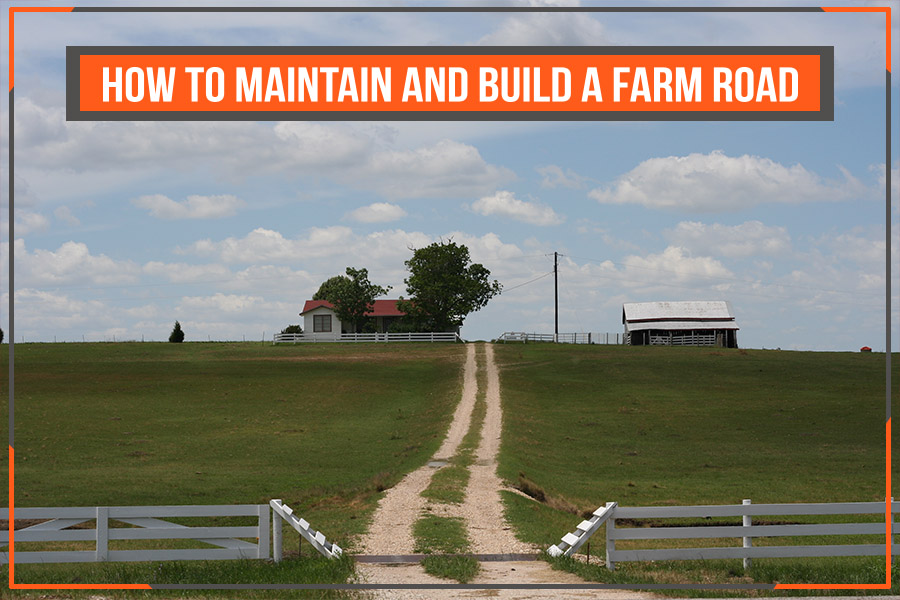
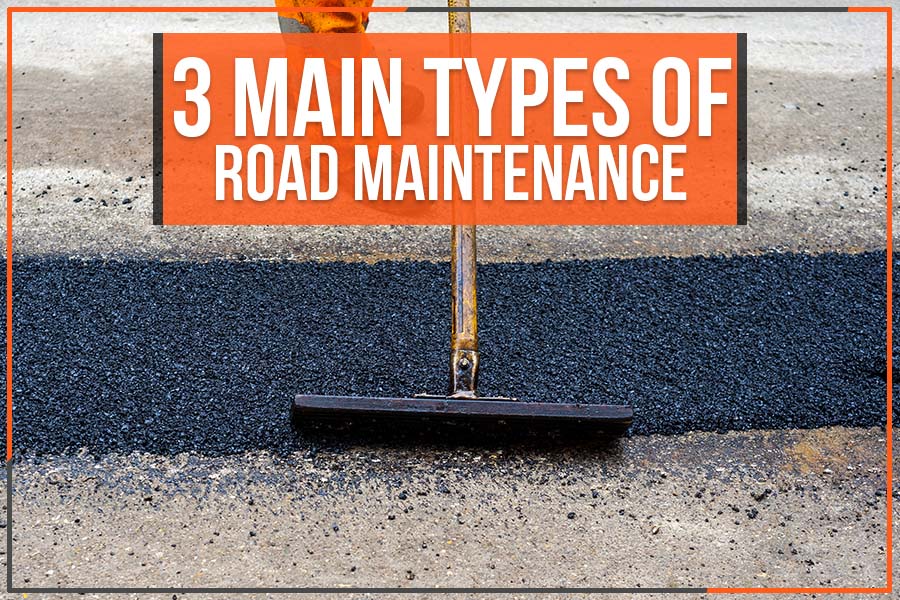
We also handle farm and ranch roads and ongoing road maintenance for longer private roads.
Frequently asked questions
Is tar and chip the same as chip seal?
Yes. Tar and chip, chip seal and oil and chip are different names for the same type of surface: a liquid asphalt binder with stone chips rolled into it.
Can tar and chip go over my existing gravel driveway?
Often, yes. If the gravel base is solid and drains well, it can be regraded, compacted and sealed. Soft spots or thin areas need base work first.
How soon can I drive on a new tar and chip driveway?
Usually soon after it is rolled, once the crew opens it. Drive slowly and avoid sharp turns for the first few weeks while the binder fully cures and the stone settles in.
Can you put tar and chip over an old asphalt driveway?
In many cases, yes. A chip seal can renew worn asphalt that is structurally sound. Badly broken asphalt needs repairs first.
Can tar and chip be used for commercial or heavy traffic?
It is widely used on rural roads and works well for ranch and farm roads. For parking lots with lots of tight turning, asphalt is usually the better choice. We will recommend what fits your traffic.
Does tar and chip get hot or sticky in summer?
Not the way a soft asphalt drive can. Once cured, a properly built surface generally stays firm in Texas heat, though too much binder can bleed through on the hottest days. Very fresh binder can be slightly tacky in the first hot days, which is one reason to go easy on it early.
Get a free estimate. If you are weighing options for your property, contact us and we will come look at the site and give you a straight, written estimate.