Industrial facilities have a lot of traffic. Your parking lot sees plenty of action between employees, customers, and delivery trucks.
Potholes, cracks, and uneven surfaces are unsightly and create safety hazards. Not to mention the damage they may do to vehicles.
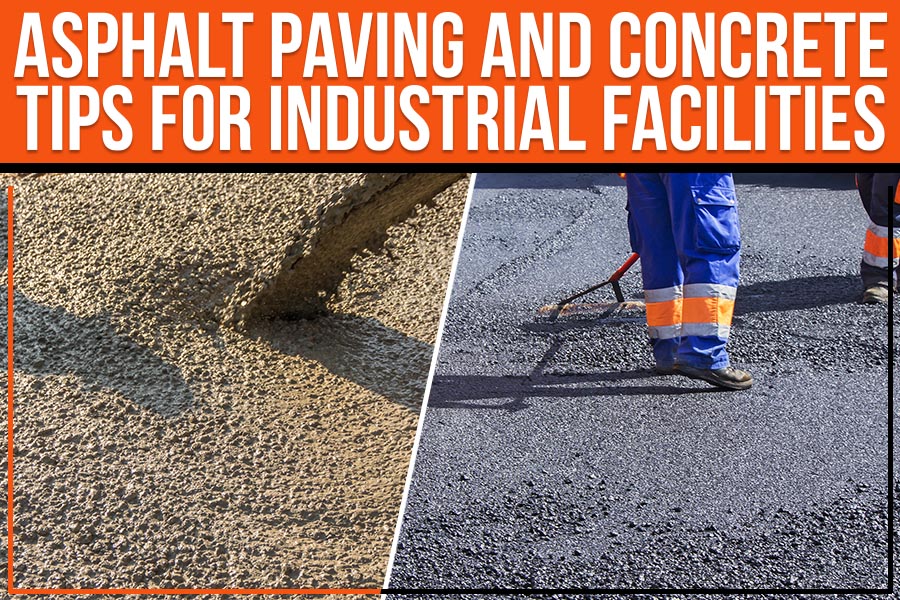
That’s why it’s essential to choose a suitable paving material for your industrial facility. There are two commonly used materials for paving parking lots: asphalt and concrete. Each has its advantages and disadvantages.
Asphalt – The Popular Choice
The superior flexibility and excellent waterproofing properties of asphalt make it the most popular choice for parking lots. It’s also much cheaper to install and relatively easy to repair than concrete.
Asphalt has two main categories:
Hot Mix Asphalt: It is mixed at high temperatures and is the most durable. High traffic areas like parking lots are usually paved with hot mix asphalt.
Cold Mix Asphalt: Mostly used for temporary patches and pothole repair. It’s not as strong as hot mix asphalt and isn’t meant for paving a whole lot.
Concrete – The Long-Lasting Option:
Concrete is a mixture of aggregate, water, and cement. It is an excellent option for areas that experience a lot of traffic. Highways, airports, bridge decks, and parking garages are all examples of places paved with concrete. Concrete is exceptionally durable and can last for decades with proper maintenance.
Essential Asphalt and Concrete Tips:
The process of laying asphalt is similar to concrete. The main difference is the composition of the mixture. The tips below will help you achieve a high-quality paving job:
Preparation Tips:
- Ensure the ground is adequately prepared before laying asphalt or concrete. It means removing any debris, trees, or roots that could interfere with the pavement.
- The subgrade should be compacted to the proper degree. It will ensure a solid base for your pavement.
- Don’t pave on frozen or saturated ground. In cold weather, wait for a dry stretch with temperatures warm enough for the mix to be compacted properly.
- You’ll also need to grade the area to slope away from any buildings or structures. It will help with drainage and prevent water from pooling on the pavement.
Compaction Tips:
- As you lay the material, compact it with a roller. It will help to dense the pavement and make it more durable.
- Fill any large cracks and holes in the pavement before you start compacting. Otherwise, they will get bigger.
Maintenance Tips:
- It’s crucial to seal coat your asphalt pavement every few years to protect it from the elements.
- Areas with a lot of snow should have asphalt pavement plowed and sanded regularly.
- If you notice any cracks or potholes, be sure to have them repaired as soon as possible.
Safety Tips:
- When working with asphalt or concrete, wear gloves and a mask to protect yourself from the fumes.
- If you are using a power washer, you must wear ear protection.
Conclusion:
Hiring the right contractor for the job will ensure that your asphalt pavement or concrete is installed correctly.
Prime Asphalt, serving Waco, TX, is your trusted pavement contractor. We offer concrete paving and asphalt repair services to ensure your pavement sees a long lifespan.
Call us today for a free estimate!
Where asphalt and where concrete make sense
Most industrial sites end up using both, each where it works best:
- Concrete for loading dock aprons, dumpster pads, fueling areas and trailer parking, where landing gear, standing loads or spilled fuel would dent or soften asphalt.
- Asphalt for drive lanes, large parking areas and long access roads, where cost per square foot and quick repairs matter.
- Tar and chip for back lots, equipment yards and rural access roads that need a sealed surface at lower cost.
We handle all three through our commercial paving and concrete paving work.
Planning around Texas conditions
- Heat and heavy loads: asphalt softens on hot afternoons. Areas where loaded trucks stop, turn or park for long periods can rut, which is another reason those spots are often built in concrete.
- Clay soil: on Blackland clay, the base section and drainage are just as important as the surface thickness.
- Storm runoff: large paved areas shed a lot of water in a spring storm. Inlets, curbs and slopes need to carry it away from buildings and docks.
- Operations: plan the work in phases, or on nights and weekends, so shipping and receiving keep moving.
A simple maintenance plan
- Walk the site each spring and fall. Mark cracks, potholes and areas holding water.
- Crack seal in mild weather before cracks let water into the base.
- Sealcoat asphalt every 2 to 3 years, and more often in heavy-traffic lanes.
- Restripe when markings fade. Clear striping keeps trucks, cars and people where they belong.
- Repair potholes and failed spots promptly, especially in truck routes.
Frequently asked questions
How long before trucks can use new concrete?
Cars can usually go on new concrete after about 7 days. Heavy trucks should wait longer, since concrete reaches its design strength around 28 days. Your mix design and the weather set the exact timing.
How soon can we use new asphalt?
Cars can usually drive on it after 24 to 72 hours. Keep heavy loads, sharp turns and parked trailers off for longer, especially in summer.
Can we stay open while the lot is paved?
Usually, yes. Work is often split into sections with temporary routes, so part of the site stays open at all times.
Is cold patch good enough for potholes in truck lanes?
Only as a temporary fix. Truck traffic loosens cold patch quickly. A cut-and-patch repair with hot mix lasts much longer.
Do we need accessible parking and markings?
Generally, yes. Accessible spaces, aisles and routes are required at most commercial facilities. Your design professional can confirm the counts and layout.
Get a free estimate. Planning work on an industrial site? Contact us for a free estimate.