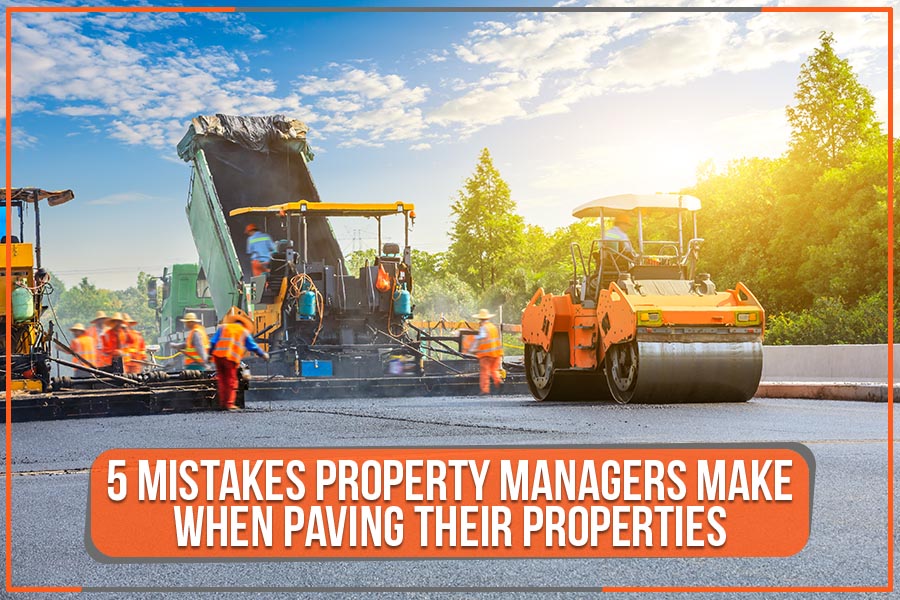
Property managers have a lot of pressure on them as the responsibility of fund and property management falls solely on their shoulders, with the added stress of answering to the property owner. Property managers have seemingly countless responsibilities, due to which getting a property addition or improvement project like paving becomes near impossible to complete without a few mistakes. However, mistakes can prove costly, which is why as a property manager, you need to avoid them at any cost. A sure way to minimize risks of errors is to know what the most common ones are, so you can pay extra attention to them.
1. Inaccurate Budgeting
Not developing a proper budget for your asphalt paving project can lead to many unanticipated costs that can cause delays in the completion of your project as it will take you some time to arrange the funds to meet all expenses. Thus, it is wiser to calculate all costs and set aside a small amount for unexpected expenses.
2. Lack of Proper Planning
Planning is a tedious yet essential part of managing any project if you want to achieve seamless and high-quality results because it can save you from missing out on steps and facing problems you did not anticipate. An example of ill-planning is not checking the weather before scheduling and starting a paving project, resulting in complications. Rainfall, snow, fog, ice, and high humidity can make your pavement wet, making it impossible for asphalt to bond with the surface. And if the temperatures are too low, the asphalt cools too quickly to be compacted properly, which leads to a weaker pavement.
3. Hiring a Subpar Contractor
Perhaps the biggest mistake a property manager make is hiring the wrong person to complete such an important project, not just in terms of the hefty investment but also because of the future benefits and risks involved. For example, if you hire a good paving company, you will not have to pay for frequent repairs in the near future or suffer from early pavement failure as they will use the most appropriate paving methods and more. But, on the other hand, hiring a subpar contractor will not provide you with superior asphalt services or lasting solutions.
4. Being Unaware of Project Requirements
It is vital to have at least the basic knowledge of the process and its steps so you can monitor that the work is correctly being carried out. For example, grading is a necessary step to prevent erosion and flooding and ensure quick and efficient drainage on your land. Having the basic know-how will also save you from problems if you have hired a new contractor.
5. Noncompliance with ADA Guidelines
While a professional paving firm will know all ADA guidelines and other legal requirements regarding the construction of a pavement, you should also dive into research to learn valuable information. Leaving this solely on the contractor can impede you from detecting any flaws or missed guidelines. Also, most contractors follow the design plan you give them, so you need to ensure that your design is ADA compliant because after the pavement is constructed, non-compliancy can lead to costly changes, fines, and more. Prime Asphalt is a leading asphalt paving contractor serving residential, commercial, and industrial clients in Waco, TX. Request an estimate for your paving project or contact us for more information.
More mistakes we see on commercial properties
- Skipping routine maintenance. Sealcoating every 2 to 3 years and crack sealing in mild weather cost far less than early repaving. Sealcoating and crack sealing are the cheapest ways to make a lot last.
- Ignoring drainage. Low spots that hold water break down quickly, especially on the clay soils around Waco, Temple and south DFW.
- Overlaying a failed base. New asphalt over a base that has failed will crack again, often within a couple of years. Failed areas need to be repaired first.
- Comparing bids on price alone. Two bids can be very different jobs. Compare base work, finished asphalt thickness, repairs included and striping.
- Not telling tenants. Unplanned closures cause complaints and cars parked on fresh pavement. Give notice well ahead.
Build a simple pavement plan
- Walk the property each spring and fall. Note cracks, potholes, standing water, faded striping and trip hazards.
- Sort by urgency. Safety issues and water getting into the base come first. Cosmetic items can be grouped.
- Budget in tiers: routine maintenance every year, sealcoat and restriping every few years, and a reserve for larger repairs or resurfacing.
- Phase the work so the property stays open and the cost is spread out.
- Keep records of what was done and when, so the next budget is based on facts.
For lots that need more than maintenance, see parking lot repair and commercial paving.
Related: Parking Lot Maintenance: A Property Manager’s Complete Guide · How to Hire a Paving Contractor: Questions to Ask and Red Flags
Frequently asked questions
How do we compare paving bids fairly?
Ask each contractor to spell out the scope: area, base work, finished asphalt thickness, repairs, sealcoat and striping. Then compare like with like.
How often should a lot be restriped?
Usually whenever it is sealcoated, or sooner if lines fade. Texas sun and heavy traffic wear paint down faster in busy areas. See parking lot striping.
When is it time to repave instead of repair?
When cracking and soft spots cover much of the lot, repairs stop making sense. A contractor can mark which areas are failed and which are still sound.
How long will the lot be closed?
Sealcoat usually needs about a day before traffic. New asphalt is typically ready for cars in 24 to 72 hours. Phasing keeps part of the lot open.
What is the best time of year for this work?
Spring through fall works well in Texas. Sealcoat and crack sealing need mild, dry weather.
Get a free estimate. Need help planning your property’s paving? Contact us for a free estimate.