During the winter, there can be a lot of snow and ice buildup on roads and sidewalks. With the ground frozen over and snow piling up on sidewalks, it can be difficult for pedestrians to navigate their way around town without slipping and falling on icy patches. Air-entrained concrete can be a solution to this problem.
This blog post discusses the benefits of using air-entrained concrete to show why you should be using it for your sidewalks during the winter!
What is Air-Entrained Concrete?
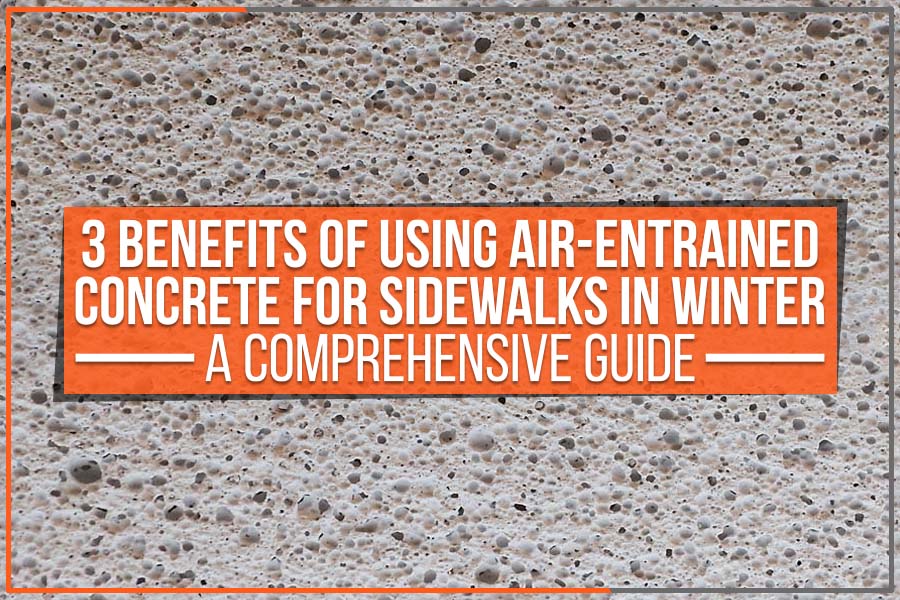
Air-entrained concrete is resistant to freeze-thaw cycles during the winter season, thanks to the numerous air bubbles in the concrete mix. These air bubbles allow for a cushioning effect when the concrete freezes and thaws, making sure your sidewalks remain safe for use throughout the year and helping prevent the surface from scaling during winters.
Professional contractors like Prime Asphalt recommend using air-entrained concrete due to its various benefits.
Benefits of Using Air-Entrained Concrete
Workability
Contractors usually characterize concrete in terms of its workability. The term identifies how easy it is to pour and place concrete on a construction site. Air-entrained concrete is more workable than traditional concrete because it consists of tiny air bubbles that make the mixture more lightweight and easier to manipulate.
Building sidewalks out of this material means you will have no problem putting them into place, regardless of how cold or hot the weather gets!
Water Resistance
Water is the Achilles heel of concrete sidewalks. It can severely damage the sidewalk’s structural integrity when it freezes and then thaws, causing cracks to form in the concrete.
Air-entrained concrete is designed to survive freeze-thaw cycles, so you don’t have to worry as much about your sidewalks cracking and flaking when winter comes. The density of air bubbles in the concrete sidewalk gives freezing water enough space to expand safely.
Segregation
Segregation is an unwanted phenomenon that occurs once you pour concrete in place. The process involves the downward movement of the heavier concrete particles to the bottom of the slab. The movement of heavier particles displaces water to the surface, weakening the concrete.
When air-entrained concrete is used, you can easily prevent segregation. The presence of air bubbles means no heavy particles to move down and weaken the slab.
The presence of tiny air bubbles means that air is evenly distributed through the entire slab, allowing concrete to expand and contract as needed. This leads to longer-lasting, better-quality sidewalks that won’t crack or deteriorate prematurely. Segregation can lead to crack formation within a sidewalk, which is dangerous because it allows water and moisture into the slab compromising its strength and durability. This means that you will have to replace your sidewalk sooner than expected, resulting in additional repair/replacement work costs.
Experts at Prime Asphalt recommend using the air-entrained concrete sidewalk for the winter season in Waco, TX. Request an estimate now, and our experts will visit your property to install the pavement. We offer a dedicated service and ensure that your pavement survives the winter challenge that lies ahead with flying colors. Whether you require parking lot maintenance or asphalt repairs, you can count on us for quality service.
Does Texas need air-entrained concrete?
Yes, for outdoor flatwork. Central Texas doesn’t see long freezing winters, but it does get hard freezes and ice storms some years, and the cycle of freezing and thawing is what damages concrete. West Texas around Big Spring and Midland sees more of those cycles each winter.
Air entrainment is standard practice for sidewalks, driveways and other concrete exposed to freezing weather. It’s added at the batch plant, so the time to ask about it is before the pour.
A few practical points:
- It is a trade-off. Entrained air slightly lowers strength, and the mix is designed to make up for that.
- Finishing is different. Air-entrained flatwork should not be hard steel-troweled. That can seal the surface and lead to blistering or flaking. A broom finish is common for sidewalks and also adds traction.
- It can’t be added later. Existing concrete can only be protected with sealers and good drainage.
Other ways to protect sidewalks in a freeze
- Drainage: walks that shed water dry out before a freeze. Low spots that hold water get damaged first.
- Control joints: placed at the right spacing so cracks form in straight lines at the joints.
- Proper curing: keep new concrete moist or use a curing compound, especially in wind and heat.
- Sealer: a penetrating sealer helps keep water out of the surface.
- Go easy on salt: skip rock salt on new concrete, especially the first winter. Sand gives traction without the damage.
We follow these practices on sidewalks and flatwork through our concrete paving service, including walkways for commercial properties and HOAs.
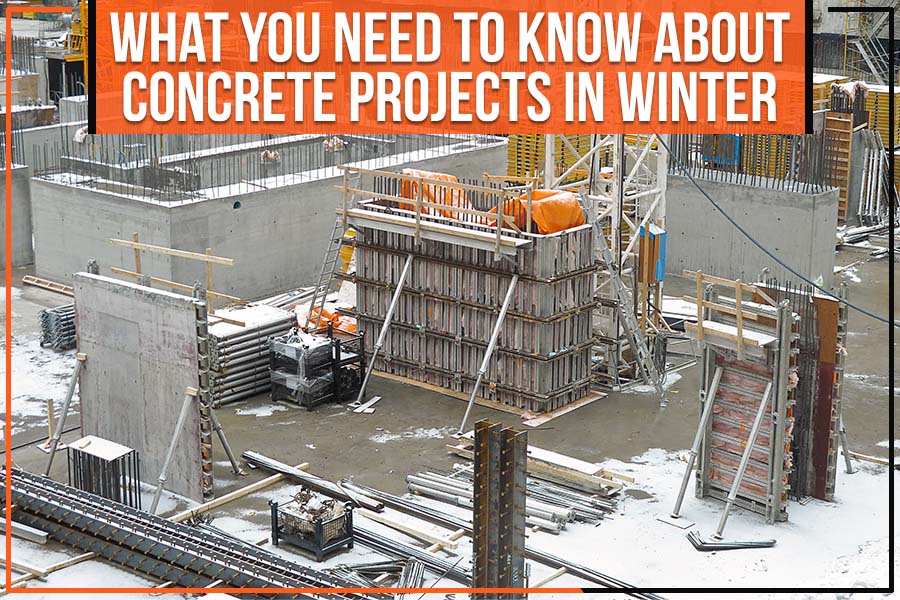
Related: What You Need to Know About Concrete Projects in Winter
Frequently asked questions
Does air-entrained concrete cost more?
Usually only a little. The admixture is a small part of the mix cost, and it can save a lot of repair work later.
Why is my sidewalk flaking?
Surface flaking, called scaling, is usually caused by freeze-thaw cycles, deicing salt, or finishing problems such as working water into the surface. Concrete without air entrainment is more prone to it.
Is air-entrained concrete weaker?
Slightly, at the same mix. Suppliers adjust the design so it still meets the strength needed for sidewalks and driveways.
Should driveways be air-entrained too?
Yes. Any outdoor concrete that can get wet and freeze benefits from it.
How long before I can walk on a new sidewalk?
Usually after a day or two. Cars on a driveway should wait about 7 days.
Get a free estimate. Planning new sidewalks or replacing damaged ones? Contact us for a free estimate.