You just had a new tar and chip driveway or ranch road put down, and there is loose stone everywhere. How long does chip seal take to cure, and when can you treat it like a normal road again? This article walks through what happens in the first hour, the first few days and the first month, what slows curing down in Central Texas, and the simple habits that keep stone in the surface instead of in your yard.
How long does chip seal take to cure?
Most chip seal can carry careful traffic the same day, but it takes days to weeks to fully set. The liquid binder grabs the stone within hours. The stone then keeps settling and locking in as traffic presses it down over the following weeks.
Public road agencies give a useful picture of the timeline. The Washington State Department of Transportation says a new chip seal can need up to two days to cure properly, and that hot, dry weather speeds it up. Here in Texas, the City of Longview tells residents that the gravel may take 1 to 2 weeks to set into the asphalt binder, even though people can drive on the street as soon as the crew leaves.
So there are really two answers. You can usually drive on it soon after the stone is rolled. The surface is still settling in, though, and it is most easily damaged during the first couple of weeks, and longer in cool or damp weather.
What actually happens as chip seal cures
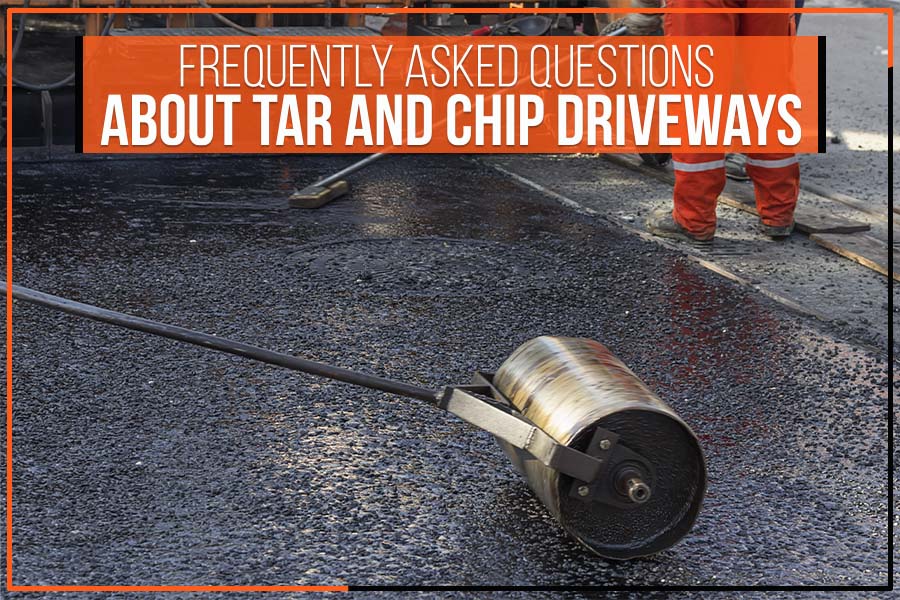
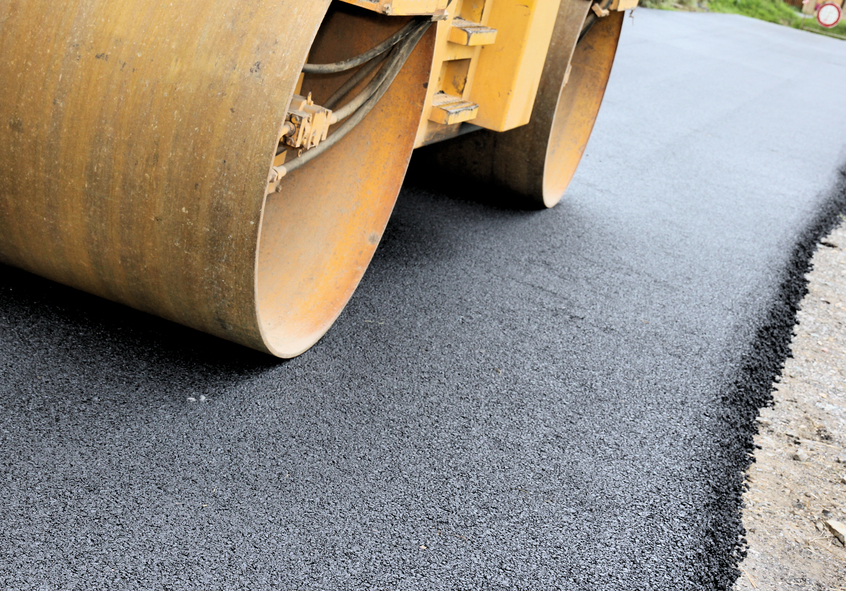
Chip seal, also called tar and chip, is built in layers in a single pass. A crew sprays a hot liquid asphalt binder, spreads a layer of stone right behind it, and rolls the stone to press it into the binder. If you want the full background on the surface itself, our tar and chip driveway guide covers costs, lifespan and pros and cons.
Curing is the binder going from liquid to firm. Depending on the product, that means water evaporating out of an emulsion or hot asphalt cooling and stiffening. While that happens, the stone is held in place mostly by stickiness and the rolling. Traffic finishes the job by pushing each stone down and turning it onto its flat side, where it sits more firmly.
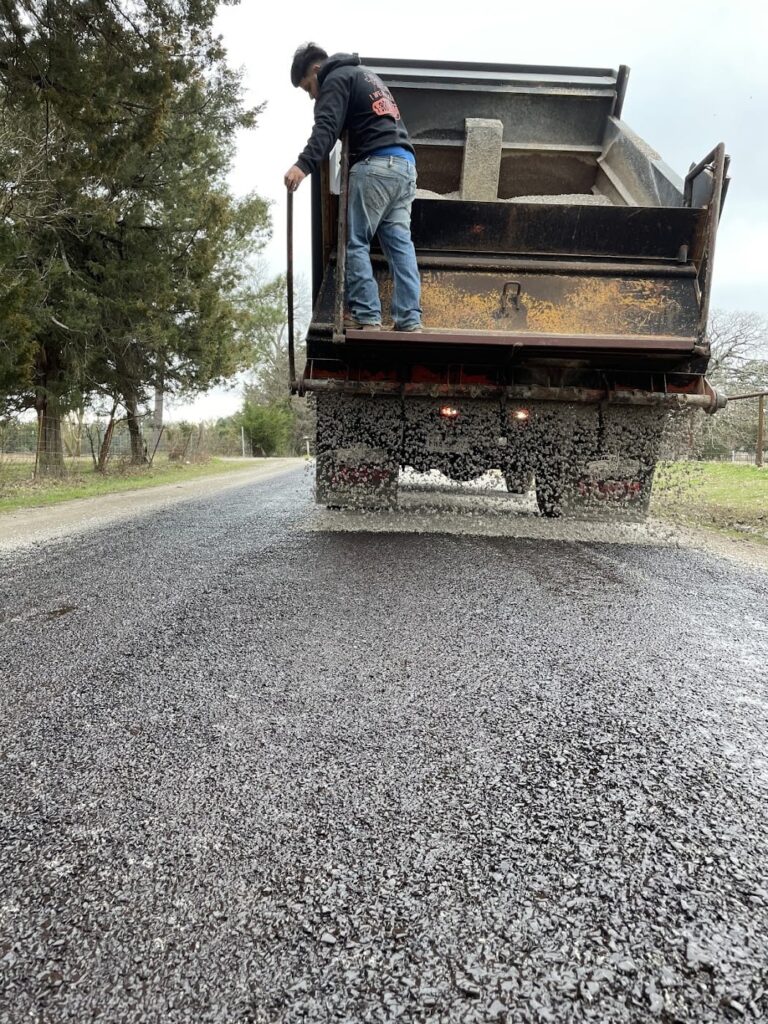
Not every stone gets fully embedded, and that is normal. WSDOT notes that even with heavy rolling, some gravel will not become embedded and has to be swept off, sometimes more than once.
A timeline for your first month
Every job and every day’s weather is different, so treat this as a general guide rather than a schedule.
| When | What is happening | What you should do |
|---|---|---|
| Install day, first few hours | Binder is soft and sticky. Stone has just been rolled in. | Stay off it until the crew says it is open. Keep kids and pets off. |
| First 1 to 3 days | Binder is firming up. Plenty of loose stone on top. | Drive slowly and straight. No heavy trucks or trailers. |
| First 1 to 2 weeks | Stone is settling and locking in under normal traffic. | Keep speeds low, avoid sharp turns, sweep or blow loose stone off to the sides. |
| Weeks 2 to 4 | Surface is much tighter. Loose stone tapers off. | Ease back into normal use. Bring in heavy loads gradually. |
| First season | Binder keeps aging and firming through warm weather. | Sweep stray stone now and then. Watch high-turn spots. |
When can you drive on new chip seal?
You can usually drive on a new chip seal once the stone is rolled and the crew opens it. The key is how you drive, not just when.
Speed matters most. On state highways, WSDOT sets a 35 mph limit on fresh chip seal until the extra gravel is swept, because faster tires throw stone and pull it out of the new surface. On a driveway or ranch road, you will want to go far slower than that. A walking or idling pace for the first week is a good habit.
Driving habits that protect a new surface
- Drive slowly and keep a steady speed. Avoid hard braking and quick starts.
- Do not turn the steering wheel while the vehicle is sitting still. It grinds stone right out of the binder.
- Make wide, gentle turns. Avoid tight three-point turns in the same spot.
- Keep heavy equipment, loaded stock trailers and delivery trucks off it for the first couple of weeks if you can.
- Park in different spots instead of the exact same place every day.
Why is there so much loose stone?
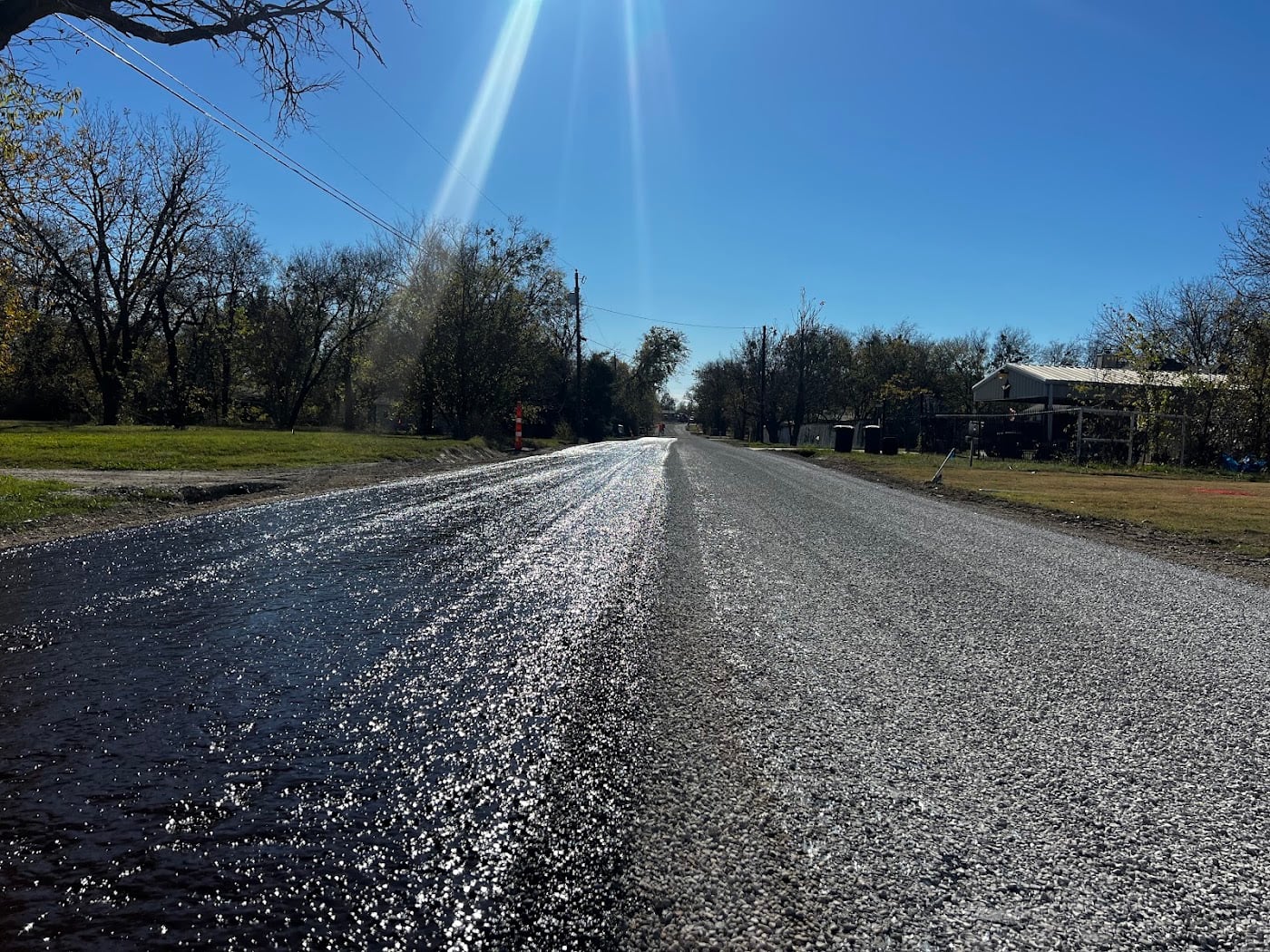
Loose stone is part of how chip seal is built. Crews spread a little more stone than the binder can hold so that no binder is left bare and sticky. The extra rolls loose on top until traffic and sweeping clear it.
The Longview program, for example, has its contractor come back a few days after application to sweep up loose gravel. For a private driveway, you can do the same thing yourself with a stiff push broom or a leaf blower. Push stray stone to the edges rather than hosing it off, and avoid pressure washing a new surface.
A few stones popping loose over the first season is normal. Bare, shiny patches where stone has come off in a cluster are not, and are worth a call so they can be looked at before water gets in.
What slows chip seal curing in Central Texas?
Heat helps chip seal cure. Cool air, humidity and rain slow it down. That is why chip seal is mainly a warm-weather job here.
TxDOT’s seal coat manual is a good guide to how much weather matters. For standard seal coats, TxDOT calls for application only when the air is above 50 degrees F and rising, with a road surface of at least 60 degrees F, and higher limits for some modified binders. The same manual says no binder should be applied during rain, and that high humidity can leave a thin film of moisture that keeps the binder from sticking well.
Things that can stretch the curing window
- Cool nights in spring and fall. The binder firms up more slowly, so treat the surface gently for longer.
- A pop-up storm soon after install. Central Texas storms can roll in fast. Heavy rain on a very fresh surface can loosen stone, so drive extra carefully until it dries.
- Shade. Parts of a driveway under big live oaks or pecans stay cooler and may settle in a little slower than sunny stretches.
- Heavy loads too early. Ranch traffic like loaded trailers and feed trucks puts a lot of turning force on fresh stone.
Our hot summers work the other way. Strong sun warms the binder and helps stone seat itself, which is one reason the paving season here runs through the warm months.
Special notes for ranch roads and long driveways
Long rural drives and ranch roads see a different kind of traffic than a city street, so they deserve a bit more care while they cure.
- Gates and cattle guards. These are spots where everyone slows, stops and turns. Ease through them for the first few weeks.
- Curves and turnarounds. Tight turns with trailers are hard on fresh stone. Make them wide if you have room.
- Livestock. If cattle or horses cross the road, keep them off it for the first day or two while the binder is soft.
- Equipment moves. If you can, schedule moving tractors or heavy equipment before the work or a couple of weeks after.
For more on layout, base and long-term upkeep, see our ranch and farm road guide.
Checklist: caring for a new chip seal surface
- Stay off the surface until the crew opens it.
- Drive slowly, brake gently and avoid turning the wheel while stopped.
- Keep heavy trucks, trailers and equipment off for the first couple of weeks if possible.
- Sweep or blow loose stone to the edges during the first weeks.
- Skip the pressure washer on a new surface.
- Be extra gentle after rain or during cool spells.
- Watch gates, turnarounds and parking spots for bare patches.
- Call your contractor if stone is coming off in clusters or binder is showing through.
Frequently asked questions
How long should I wait to drive on new chip seal?
Usually just until the crew rolls the stone and opens it, often the same day. After that, drive slowly and avoid sharp turns for the first couple of weeks while the stone settles in.
Will the binder track into my house or garage?
On a properly finished job, the stone covers the binder, so tracking should be minimal once the crew opens the surface. Loose stone can stick in shoe treads at first, so a doormat and a quick sweep near entries help.
What happens if it rains right after chip seal is installed?
Crews avoid laying chip seal when rain is likely, since TxDOT says binder should never go down in the rain. If a shower hits after the stone is rolled, a heavy downpour on a very fresh surface can loosen some stone, so drive carefully until it dries and let your contractor know if you see bare spots afterward.
Is it normal for loose stone to keep showing up for weeks?
Yes. Some extra stone is spread on purpose and works loose over the first few weeks. It should taper off steadily. If it keeps getting worse, or you see bare binder, have it checked.
Can chip seal be installed in the fall or winter in Texas?
It depends on the temperatures. TxDOT limits standard seal coats to warm enough air and road temperatures, so most chip seal work here is done in the warmer months. Cooler weather also means a slower cure and a longer period of careful driving.
When can I bring a loaded trailer or heavy equipment onto it?
Give it as long as you reasonably can, ideally a couple of weeks of warm weather. When you do, drive straight, go slow and avoid tight turns on the new surface.
Planning a new tar and chip driveway or ranch road? Our crews install tar and chip paving across Waco and Central Texas, and we are happy to talk through timing, weather and what to expect on your property.
Get a free estimate. Contact Prime Asphalt & Chip Sealing to tell us about your driveway, ranch road or private road, and we will set up a time to take a look.